
Introduction to Classic Diners
Classic diners hold a cherished place in the landscape of American culture, representing a unique blend of nostalgia, comfort, and community. Emerging in the early 20th century, these establishments became synonymous with American dining, offering affordable meals in a casual setting. Defined by their distinctive architectural features, such as stainless steel exteriors and bright neon signage, classic diners evoke a sense of timelessness that continues to resonate with patrons to this day.
The decor of a classic diner often harks back to mid-20th century Americana. Inside, one might find checkered floors, vinyl booths, and a nostalgic soda fountain, all contributing to the warm, inviting atmosphere. This ambiance is not merely for aesthetic purposes; it catalyzes memories for many who have frequented these establishments over the years. Diners foster a sense of community, serving as gathering places for families, friends, and even strangers, making them essential components of local culture.
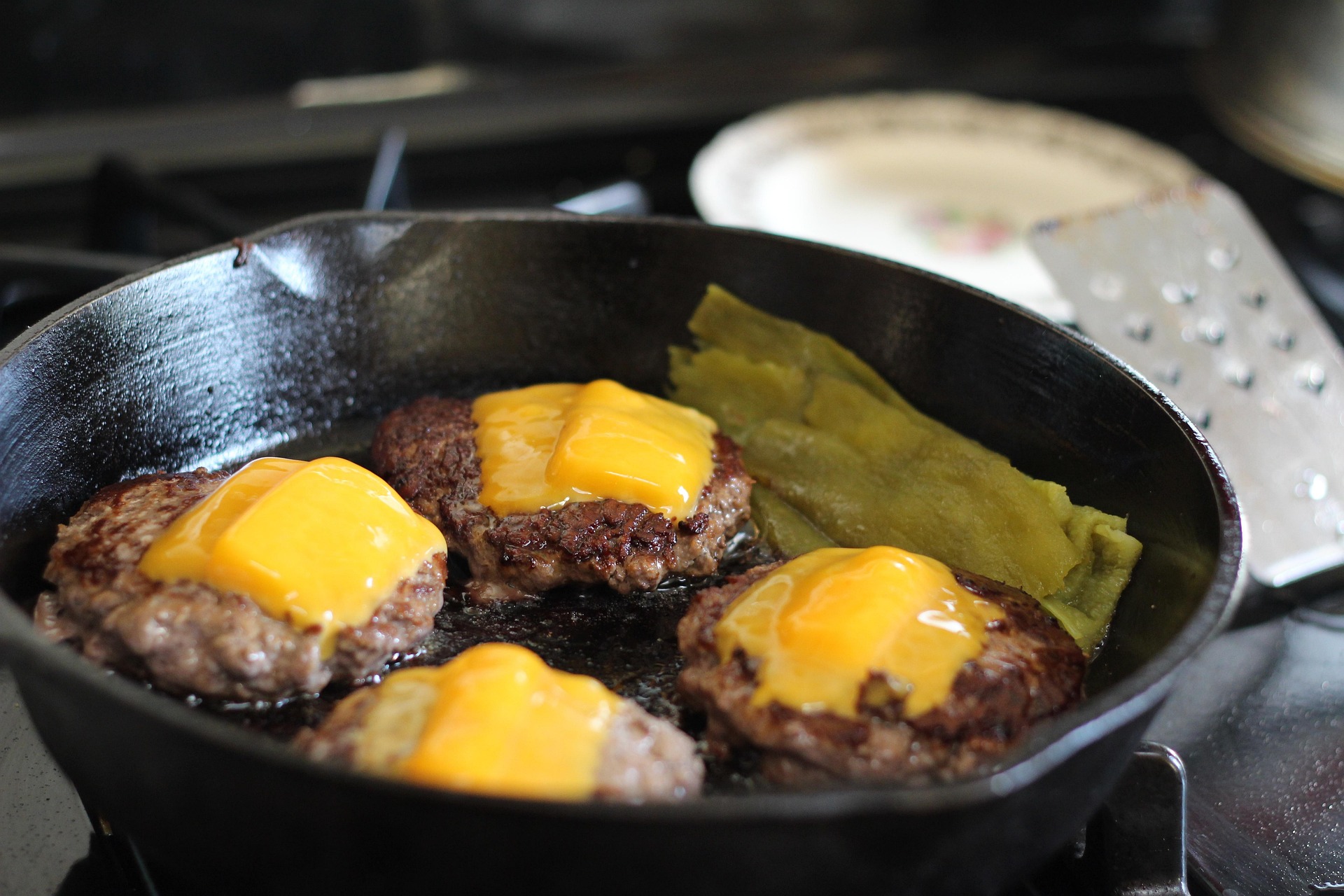
Menu staples at classic diners are also deeply embedded in the American culinary experience. Commonly featured items include hearty breakfast plates, burgers, sandwiches, and milkshakes. These offerings not only satisfy cravings but also provide a glimpse into the culinary traditions that have been passed down through generations. The diverse range of dishes allows patrons to experience a slice of Americana in every meal, reinforcing the diner’s role as an integral part of social life.
As we delve further into the rich tapestry of classic diners across the United States, it becomes evident that these venues are more than just places to eat; they encapsulate a lifestyle. With their historical significance, inviting decor, and diverse menus, classic diners continue to attract both locals and tourists alike, ensuring that they remain a beloved facet of American culture. The exploration of these diners reveals not just their gastronomic offerings but also the heart and soul of communities they serve.
The Nostalgic Appeal of Diners
Din ers have become more than just places to eat; they hold a significant place in the American culture, embodying an experience that resonates with many. The comforting ambiance, which often includes retro decor, classic booths, and a cozy atmosphere, provides a warm retreat from the fast-paced world outside. This unique environment invites patrons to linger, encouraging conversations and fostering social interactions that span generations. It is not uncommon for families to gather in diners, passing down traditions while enjoying comfort food, thus reinforcing their importance as community hubs.
The essence of diners often evokes a profound sense of nostalgia. For many, walking into a diner may trigger cherished memories of early morning breakfasts with loved ones or late-night meals after a long day. The menus, filled with traditional fare like burgers, milkshakes, and pancakes, often resemble those of diners from decades past. This simple yet satisfying food not only nourishes the body but also nurtures the soul, linking individuals to a shared cultural history. The nostalgic connection is further deepened by the presence of classic memorabilia, jukeboxes playing tunes from bygone eras, and waitstaff who often remember regular customers, adding a personal touch to each visit.
The quintessential diner experience is characterized by the friendly, often informal service. Waitstaff in diners frequently build relationships with patrons, greeting them with warmth and familiarity. This friendly interaction creates a sense of belonging, making diners feel like an extension of one’s home. In an era dominated by fast food and instant dining options, the slower-paced, personal service of diners helps maintain their timeless appeal. Overall, the blend of comfort, community, and nostalgia uniquely positions diners as beloved fixtures of American life, inviting all to savor not just the food but also the moments spent within their walls.
Criteria for Selection
When selecting the best classic diners across the USA, several criteria are considered to ensure a comprehensive evaluation. These factors encompass historical relevance, menu offerings, decor, customer service, and unique features. Each criterion plays a pivotal role in shaping the overall dining experience that classic diners are renowned for.
Historically, diners have evolved from humble roots, often serving as community gathering spots since the early 20th century. Diners that have maintained their original charm and essence or have significant historical milestones contribute positively to their selection. The preservation of classic elements, such as original signage or architectural features, provides patrons with a genuine sense of nostalgia, marking these establishments as worthy of recognition.
Menu offerings are equally crucial in discerning the quality of a diner. A classic diner should showcase a range of traditional American fare, from timeless breakfast items to hearty sandwiches and delectable desserts. The inclusion of local specialties can also enhance a diner’s unique appeal, showcasing the region’s culinary heritage. A welcoming menu that combines familiarity with innovation often sets standout diners apart from their contemporaries.
Furthermore, the decor of a diner significantly impacts its ambiance. Classic diners often feature retro aesthetics, complete with chrome accents, checkered floors, and vintage memorabilia. This nostalgic environment attracts patrons seeking an authentic experience, which is a fundamental aspect of diner culture.
Customer service is another vital criterion, as it encapsulates the warmth and friendliness that diners are famous for. Attentive and personable staff can enhance the overall dining experience, making customers feel valued and appreciated. Lastly, unique features, such as themed decor, famous signature dishes, or quirky history, can elevate a diner’s status. Together, these criteria help illuminate what makes each classic diner a beloved institution in American culinary history.
Top Classic Diners in the Northeast
The Northeastern United States is renowned not only for its diverse culture and history but also for its classic diners, which serve as culinary landmarks. One iconic diner that stands out is the Marble Arch Diner in New Jersey. Established in 1985, this diner boasts a modern twist on traditional fare, with offerings ranging from hearty breakfasts to gourmet burgers. This diner is known for its vibrant atmosphere and equips a menu that reflects the local palate, making it a must-visit for both locals and travelers alike.
Moving to Massachusetts, the South Street Diner in Boston has cemented its status as one of the city’s gems. Open 24 hours, this diner serves classic American dishes, including their famous omelets and homemade desserts. The diner features vintage aesthetics, which attracts a blend of late-night patrons and early risers, reflecting the city’s bustling energy. With a history dating back to the 1940s, the South Street Diner embodies nostalgia, drawing in those who appreciate a classic dining experience.
In New York, the Tommy’s Restaurant in the Bronx has been a fixture since 1984. This diner is particularly renowned for its gigantic portions and signature dishes like the “Tommy’s Special,” a hearty mash-up of classic diner favorites. The decor evokes a quaint feel that encapsulates the diner culture prevalent in the area. Visitors frequently praise Tommy’s for its friendly service and welcoming atmosphere, making it an ideal stop for those exploring New York’s culinary scene.
These classic diners are not just places to eat; they embody the spirit of the region and offer a glimpse into the rich tapestry of American dining culture. Each has unique offerings and a story, contributing to the iconic status of diners within the Northeastern landscape.
Classic Diners in the Midwest
The Midwest is home to a plethora of classic diners that encapsulate the warmth and charm of Midwestern hospitality. From bustling cities to quaint towns, these diners have stood the test of time, offering delicious comfort food and a nostalgic atmosphere. In Illinois, for instance, the renowned “Lou Mitchell’s” in Chicago is often considered a pillar of the diner scene. Established in 1923, it is famous for its hearty breakfasts and milkshakes, while the historical significance of the diner adds to its allure. The welcoming staff make it a go-to spot for both locals and visitors, creating an inviting space that embodies the spirit of the Midwest.
Moving on to Ohio, one cannot overlook the iconic “Pike Place Diner” in Columbus. This classic establishment is celebrated not only for its mouthwatering sandwiches but also for its vibrant, retro décor. The diner serves up regional favorites like the “Buckeye Burger,” incorporating local flavors into its menu, further enhancing the dining experience. Patrons often share stories of their memorable meals at Pike Place, highlighting the role of diners as gathering spots for friends and family.
In Michigan, the “Dime Store” in Detroit showcases a modern take on the classic diner experience. Known for its inventive brunch menu that includes unique offerings such as lemon ricotta pancakes, the Dime Store marries tradition with contemporary flair. The local love for diner food resonates here, with patrons frequently returning to indulge in both exceptional food and friendly service. These classic diners in the Midwest not only serve meals but also cultivate a sense of community and nostalgia, making them cherished institutions. Their unique local specialties and dedication to customer satisfaction truly exemplify the essence of the diner culture in this region.
Diners of the South
The Southern United States is renowned for its rich culinary traditions, charming diners, and a sense of community that is palpable in these establishments. From the bustling urban centers of Texas to the quaint towns in Tennessee and the sunny shores of Florida, Southern diners serve as both a dining experience and a cultural hub. Each diner offers a unique take on classic Southern dishes, shaping the region’s culinary identity.
In Texas, diners often showcase influences from Tex-Mex cuisine along with traditional Southern fare. Breakfast tacos filled with scrambled eggs, cheese, and chorizo are just one example of how Texas diners blend culinary traditions. The warm, rustic atmosphere of these establishments, complete with friendly staff and local artwork, invites patrons to linger over a cup of coffee long after the last bite. Diners such as the iconic “Holmes Coffee” in Houston exemplify this experience, offering both the food and the hospitality that have become synonymous with Texas culture.
Moving to Tennessee, the state is famous for its comfort food, and diners here take pride in serving dishes like biscuits and gravy, fried chicken, and classic meat-and-three options. Established diners like “The Pancake Pantry” have retained their original charm, drawing both locals and tourists. The welcoming ambiance, often enhanced by jukeboxes playing classic tunes, creates a nostalgic experience that’s hard to resist. Tennessee’s diners also serve as gathering spots for friends and families, making them integral to the Southern lifestyle.
Florida diners represent a fusion of Southern charm with diverse influences from the southern coasts. They often feature fresh seafood alongside traditional Southern staples. Diners like “The Breakfast Nook” in Orlando deliver plates of fluffy pancakes, shrimp and grits, and refreshing citrus-infused tea, embracing the local flavor. The laid-back, friendly atmosphere helps to define the quintessential dining experience in Florida, highlighting the warmth and hospitality that characterize Southern culture.
Classic Diners on the West Coast
The West Coast of the United States is home to a rich tapestry of classic diners that not only serve mouthwatering meals but also reflect the region’s diverse culture and culinary innovations. From California’s sunny shores to Oregon’s lush landscapes and Washington’s bustling cities, these diners have become beloved institutions in their respective communities.
In California, diners like the iconic “Mel’s Drive-In” embody the quintessential American diner experience. Known for its retro vibe and delectable menu offerings, Mel’s features everything from classic burgers and milkshakes to creative twists on breakfast favorites. Its locations, often situated near tourist attractions, provide an enjoyable dining atmosphere for locals and visitors alike, merging nostalgia with modern culinary techniques.
Moving north, Oregon’s “Mamma Mia’s” stands out with an inventive menu that incorporates local, seasonal ingredients. This diner exemplifies how classic establishments can embrace contemporary culinary trends while still holding onto traditional diner fare. It is known for its farm-to-table approach, where iconic dishes like the hearty breakfast burrito come with a unique Oregon twist, showcasing the state’s rich agricultural heritage.
In Washington, “The 5-Point Café” in Seattle offers a 24-hour diner experience known for its eclectic menu and vibrant ambiance. It has become a cultural landmark, attracting a diverse clientele who appreciate its mix of classic diner meals and regional specialties. The diner embraces Seattle’s melting pot culture, making it a hub for culinary trends that emphasize sustainability and locally sourced ingredients.
These diners not only provide a range of delicious food options but also serve as gathering places that reflect the spirit of the communities they inhabit. With their unique menus and engaging atmospheres, classic diners on the West Coast continue to thrive, delighting patrons with both beloved traditions and innovative culinary offerings.
Unique Features of Iconic Diners
The cultural landscape of America is dotted with classic diners, each offering a distinctive dining experience that reflects its location and heritage. One of the key elements that set these iconic establishments apart is their unique features. Many diners showcase themed decor that pays homage to local history, popular culture, or even kitsch memorabilia. For instance, some diners may be adorned with vintage signs or retro furnishings that transport patrons back in time, creating a nostalgic atmosphere that beckons visitors to linger.
Live music is another common feature that many diners embrace to enhance the dining experience. In cities known for their vibrant music scenes, diners often host local bands or open mic nights, making them a social hub where patrons can enjoy signature dishes while being entertained. This blend of culinary delight and musical enjoyment cultivates a sense of community and makes dining more enjoyable. The ability to enjoy a meal alongside live performances contributes significantly to the diner’s appeal.
Signature dishes also play a pivotal role in distinguishing one diner from another. From regionally inspired comfort foods to inventive twists on classic recipes, these signature options often tell the story of the diner’s roots. For instance, a diner in the Northeast might offer a famous lobster roll, while one located in the South could be renowned for its fried chicken. Patrons are frequently drawn back by the promise of these irresistible culinary creations, which exhibit both creativity and tradition.
Furthermore, 24-hour service is a hallmark of many iconic diners, catering to night owls and early risers alike. This round-the-clock accessibility ensures that people can enjoy a hearty meal regardless of the hour, reinforcing the notion of diners as comfort food havens. The combination of these unique features contributes to a diner’s charm and draws visitors eager to experience the rich tapestry of American dining culture. Each diner has its own individuality, making the exploration of these establishments a truly rewarding experience.
Dining Etiquette in Classic Diners
When visiting classic diners across the USA, understanding the unwritten rules of dining etiquette can significantly enhance your experience. These timeless establishments have their own unique charm and atmosphere, which can be greatly appreciated by adhering to certain customs. First and foremost, it is advisable to embrace the casual vibe of a diner. Patrons should feel comfortable wearing informal attire, yet it is still recommended to maintain a level of neatness to respect the establishment’s informal elegance.
When it comes to ordering, patrons should approach the counter with confidence. It is customary to wait patiently in line if the diner is busy. Many diners have a distinct menu that highlights signature dishes, so taking a moment to familiarize yourself with these offerings can prove beneficial. Once at the counter, ordering efficiently and clearly is essential, as diners often experience a high volume of customers. If you have questions or need recommendations, don’t hesitate to ask the staff; they are usually quite knowledgeable and willing to assist.
Tipping practices in classic diners should also be noted. While a standard tip of 15-20% is common in most dining experiences, showcasing your appreciation for exceptional service could lead to an even larger gratuity. Keep in mind that the staff in diners often provide quick and friendly service, enhancing the overall dining experience. Additionally, engaging in light conversation with the staff can foster a warm atmosphere, making your visit more enjoyable. Moreover, respecting the space and maintaining a pleasant demeanor not only reflects well on you as a guest but also aligns with the congenial spirit of classic diners.
By following these guidelines and being mindful of the distinct characteristics associated with classic diners, first-time visitors can ensure a memorable and delightful dining experience while embracing the nostalgic environment these establishments offer.
Conclusion: The Lasting Legacy of Classic Diners
Classic diners hold a cherished place in the tapestry of American culture, serving not only as eateries but as unique community hubs. Their enduring charm lies in their ability to create an inviting atmosphere where individuals from diverse backgrounds come together to enjoy hearty meals and engage in meaningful conversations. Whether it’s a late-night breakfast or a leisurely lunch, these diners embody a sense of nostalgia, often reminiscent of a simpler, more connected time.
The menu of a classic diner is a culinary journey, featuring everything from luscious burgers and hand-cut fries to comforting milkshakes. Each dish tells a story, reflecting regional flavors and seasonal ingredients. Beyond their gastronomic appeal, diners cultivate a sense of belonging, offering a space where customers can forge lasting relationships with both the staff and fellow patrons. The repetitive, yet unique interactions experienced in these establishments become woven into the fabric of local communities.
<pmoreover, a="" adaptability,="" americana="" and="" as="" brought="" by="" changes="" classic="" community="" consumerism="" contribute="" convenience="" countless="" culinary="" decades.
In summary, classic diners are not merely places to eat; they are vital components of American life, enriching local cultures and leaving a lasting legacy. Therefore, it is essential to explore and support these beloved establishments, ensuring that they continue to thrive for generations to come.
No responses yet