
Introduction to the Grand Canyon
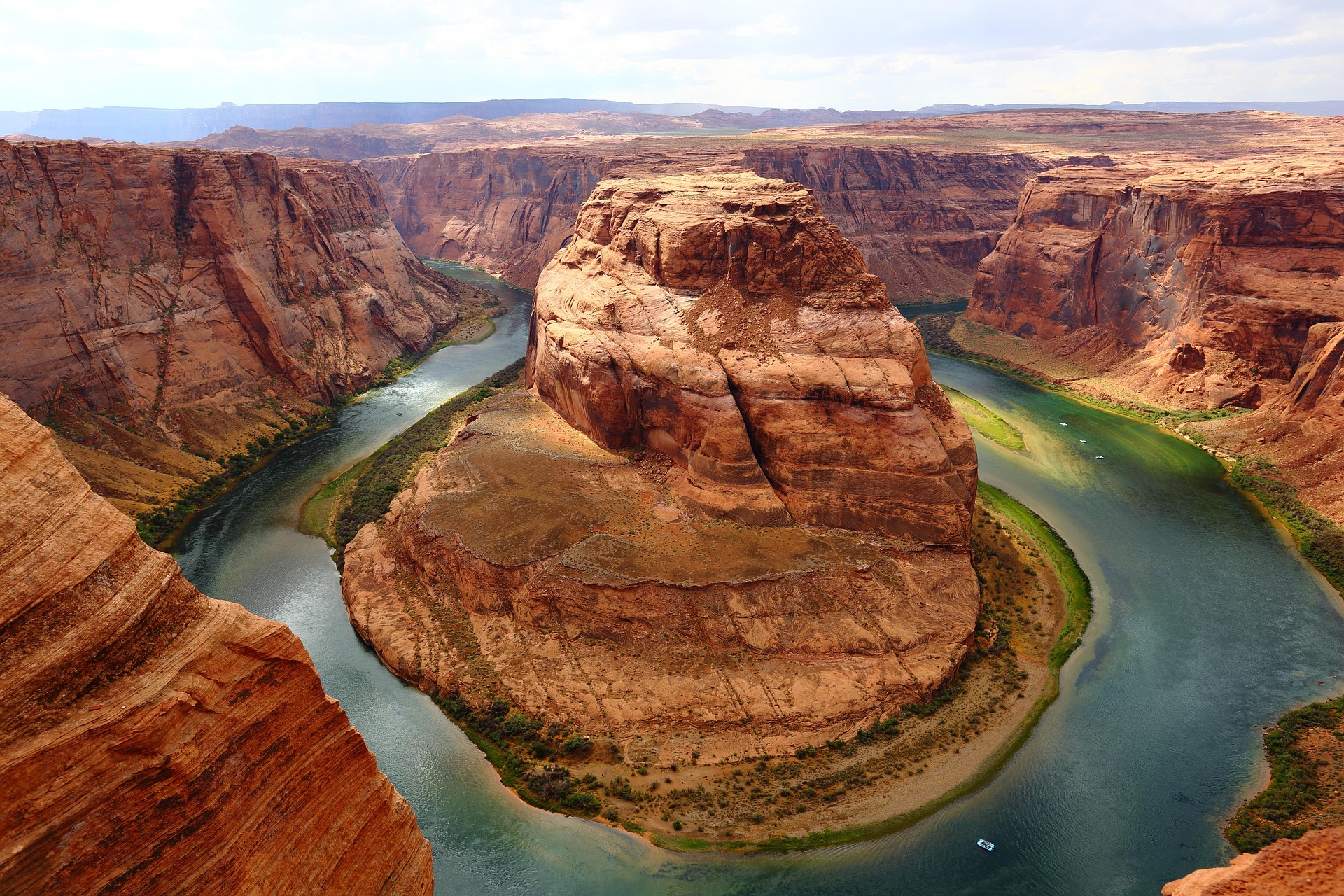
The Grand Canyon, located in northern Arizona, is one of the most iconic natural landmarks in the United States. Spanning approximately 277 miles in length, up to 18 miles in width, and reaching depths of over a mile, this stunning chasm carved by the Colorado River showcases the grandeur and beauty of geological formations. Its immense size and intricate landscapes attract millions of visitors each year, solidifying its status as a must-visit destination for all travelers.
The Grand Canyon’s geological significance lies in its layered bands of colored rock, which provide a fascinating glimpse into the Earth’s history, dating back nearly two billion years. This unique formation offers scientists and geologists a living laboratory to study the processes of erosion and sedimentation. The expansive canyon is part of the Grand Canyon National Park, which was established in 1919 and has since been recognized as a UNESCO World Heritage Site for its natural beauty and ecological significance.
Beyond its geological features, the Grand Canyon is home to diverse ecosystems ranging from arid desert landscapes to lush riverbanks, supporting a wide variety of plant and animal species. Visitors can often observe bighorn sheep, mule deer, and numerous bird species, making it a prime location for wildlife enthusiasts and photographers alike. The contrasting environments offer a remarkable tapestry of colors and textures, especially during sunrise and sunset, when the canyon walls glow with vibrant hues.
The Grand Canyon affords numerous activities for visitors, including hiking along its extensive trail system, river rafting in the Colorado River, and exploring the viewpoints accessible by vehicle. Each experience provides a unique perspective of this natural wonder, ensuring that everyone can appreciate the grandeur of the canyon. As travelers immerse themselves in the breathtaking sights and sounds of the Grand Canyon, it becomes evident why this natural masterpiece remains a cherished destination for adventurers and families alike.
When to Visit the Grand Canyon
The Grand Canyon is a magnificent destination that attracts millions of visitors each year, and understanding the best times to visit can greatly enhance the experience. Generally, the most favorable periods to explore the Grand Canyon are in the spring (March to May) and fall (September to November). These seasons boast mild weather conditions, which is ideal for outdoor activities such as hiking and sightseeing. Temperatures during these months are typically comfortable, allowing visitors to enjoy the breathtaking vistas without the extreme heat that characterizes the summer months.
During the summer, particularly from June to August, the Grand Canyon experiences a surge in visitors due to school vacations. While this is a vibrant time to visit, it is worth noting that temperatures can soar above 100°F (38°C) in the inner canyon, which may pose challenges for those engaging in strenuous activities. However, this season also offers unique opportunities, including ranger-led programs and various special events that showcase the park’s natural beauty and cultural history.
Winter (December to February) presents a different appeal, attracting those interested in the quiet and solitude the park offers during these months. Although colder temperatures prevail, especially in the North Rim, which usually closes due to snow, the South Rim often remains accessible and provides stunning winter landscapes, perfect for photography. Winter visitors can also take part in seasonal activities such as snowshoeing and winter hiking, which can be an exciting way to experience the Canyon’s grandeur away from the larger crowds.
Ultimately, the best time to visit the Grand Canyon will depend on personal preferences and the experiences desired. Whether one seeks lively ranger programs during peak seasons or tranquil winter scenes, each time of year offers unique attractions and insights into the park’s unparalleled beauty.
Getting There: Transportation Options
Reaching the Grand Canyon may vary in complexity depending on your starting point, but numerous transportation options ensure accessibility. For those traveling from afar, flying into one of the major airports is often the most convenient choice. The nearest major airport is Phoenix Sky Harbor International Airport (PHX), located approximately 230 miles from the South Rim. From there, travelers can opt for a scenic drive or utilize car rental services available at the airport to explore the region at their own pace.
Another option is flying to Flagstaff Pulliam Airport (FLG), which is about 90 miles from the Grand Canyon. This smaller airport may have fewer flight options but offers a more direct route for those aiming to minimize travel time. For longer journeys, Las Vegas McCarran International Airport (LAS), approximately 275 miles away, provides an alternative gateway, appealing for visitors combining their trip with the attractions of Las Vegas.
Once you arrive in the vicinity, renting a car is highly recommended as it enhances your flexibility in exploring the surrounding area. Numerous car rental agencies operate at the aforementioned airports, and pre-booking can offer competitive rates. For those who prefer not to drive, shuttle services are available. Providers like Gray Line or the Grand Canyon Shuttle offer convenient transportation from key nearby cities directly to the park’s entrances.
For public transportation enthusiasts, options such as the Arizona Shuttle and the Grand Canyon Railway can provide unique travel experiences while connecting you to the park. Each choice of transportation comes with its own advantages, so consideration of personal priorities, time, and budget will help determine the most suitable option, facilitating a stress-free start to your Grand Canyon adventure.
Where to Stay: Accommodations Around the Canyon
When planning a visit to the Grand Canyon, selecting the right accommodation plays a crucial role in enhancing your experience. There are numerous options available, ranging from camping sites to hotels, each with distinct advantages and considerations. Understanding these accommodations can significantly influence your trip to this majestic landmark.
Campsites within the Grand Canyon National Park offer an immersive experience in nature. There are several campgrounds, such as Mather Campground on the South Rim, where visitors can enjoy the fragrant pine trees and starry nights. Camping is often the most economical choice, making it ideal for budget-conscious travelers. However, sites fill up quickly, particularly during peak season, and reservations are highly recommended. It’s important to note that amenities may be limited, and visitors should be prepared for outdoor conditions.
If camping is not your preference, lodges located inside the National Park, like El Tovar or Bright Angel Lodge, provide a unique blend of comfort and proximity to scenic views. Staying at these lodges allows guests to access the canyon easily and witness breathtaking sunrises and sunsets without the need for extensive travel. Nevertheless, these lodgings can be pricey and often require booking months in advance due to high demand.
For those looking for more conventional accommodations, nearby towns like Williams or Tusayan offer a range of hotels and motels. These establishments provide additional amenities such as dining options and transportation services to the park. However, one downside to staying outside the park is the additional travel time, which can become significant during busy periods.
Regardless of your choice, it is advisable to plan and book your accommodations well ahead of your visit, especially if you intend to travel during the bustling summer months. Advanced planning will not only secure your preferred type of lodging but also enhance your overall experience at the Grand Canyon.
Must-See Attractions and Viewpoints
When planning a visit to the Grand Canyon, it is essential to explore its iconic attractions and viewpoints that showcase its breathtaking beauty. The South Rim is perhaps the most visited part of the park, featuring a wide range of viewpoints, such as Mather Point and Yavapai Observation Station. These spots provide stunning vistas that are particularly picturesque during sunrise and sunset, when the canyon walls are bathed in warm, golden light. Arriving early in the morning or later in the afternoon allows guests to capture the full spectrum of colors reflecting off the canyon’s layers.
In contrast, the North Rim offers a more secluded experience, often frequented by travelers seeking a quieter atmosphere. Notable viewpoints here include Bright Angel Point and Cape Royal, which afford equally breathtaking views of the canyon. As the North Rim is generally less crowded, visitors can enjoy more intimate encounters with the natural environment. The best time to visit these points is during the late afternoon, when the light casts long shadows and enhances the rich hues of the rock formations.
Aside from the main rims, there are several lesser-known spots worthy of a visit. For instance, Desert View Watchtower, located at the eastern edge of the South Rim, combines ancient architecture with stunning panoramic views of the canyon. The Grand Canyon’s visitor centers and museums, such as the Yavapai Geology Museum, provide valuable historical context and information about the region’s geology and cultural significance. Engaging with the various educational exhibits can enrich your understanding of this majestic landscape.
Overall, a well-rounded trip to the Grand Canyon includes not only the famous viewpoints but also the less frequented attractions and the educational opportunities offered at visitor facilities. Ensuring you experience these highlights will lead to a more memorable and insightful journey through one of the natural wonders of the world.
Hiking and Outdoor Activities
When planning a visit to the Grand Canyon, one of the primary attractions is the array of hiking trails and outdoor activities available, catering to a diverse range of skill levels. The Grand Canyon boasts more than 800 miles of trails, ensuring that both novice hikers and seasoned adventurers can find something suitable. Among the most popular trails are the Bright Angel Trail and the South Kaibab Trail, both of which offer stunning views and unique experiences.
The Bright Angel Trail is renowned for its gradual descent and well-maintained pathways, making it an excellent option for families and beginners. This trail provides several rest stations along the way, allowing hikers to pause and enjoy the breathtaking vistas of the canyon. Conversely, the South Kaibab Trail presents a steeper descent and is better suited for more experienced hikers. Though it is a challenging route, the panoramic views at the rim and along the trail’s path are truly unparalleled.
In addition to hiking, visitors can indulge in various other outdoor activities. Rafting the Colorado River offers an exhilarating perspective of the canyon, with guided tours available for those who prefer a structured experience. Horseback riding is another popular option, allowing guests to explore the canyon’s rugged terrain while enjoying the serenity of the landscape.
Safety should always be a priority when venturing into the Grand Canyon. Hikers are advised to carry sufficient water, wear appropriate footwear, and be mindful of the changing weather conditions. It is essential to prepare properly and know one’s physical limits to ensure an enjoyable and safe experience. With the right preparation, visitors can make the most of their Grand Canyon adventure, taking full advantage of its myriad hiking trails and outdoor activities.
Photography Tips for Capturing the Canyon’s Beauty
When visiting the Grand Canyon, photography enthusiasts—regardless of skill level—can truly benefit from a few strategic tips to effectively capture the breathtaking landscapes. The vast expanses of the canyon provide myriad opportunities for stunning shots, which can be enhanced by understanding the best times of day for photography. Early mornings and late afternoons, often referred to as the “golden hour,” yield softer, warmer light, creating amazing color contrasts that highlight the canyon’s formations and textures. Additionally, the light during these times accentuates the shadows, bringing depth to your photographs.
In terms of equipment, selecting the right gear is essential. A DSLR or mirrorless camera is recommended for greater control over settings, while a sturdy tripod will provide stability for long-exposure shots, especially near sunrise or sunset. A wide-angle lens, ranging from 14mm to 24mm, is beneficial for capturing the vastness of the canyon. Conversely, a telephoto lens, such as a 70mm to 200mm, can help isolate specific details, such as rock formations or wildlife. Don’t forget to bring a polarizing filter as well; this can reduce glare and enhance colors, making the hues of the canyon even more vibrant in your photos.
Composition is another critical element in landscape photography. Applying the rule of thirds can help create a more balanced image. By dividing your frame into thirds, you can position key elements, such as the horizon or unique rock formations, at the intersections of these lines. Additionally, including foreground elements, such as local flora or boulders, can add depth to the shot, guiding the viewer’s eye into the scene. Experimenting with different angles and perspectives is encouraged; sometimes a slight shift in position can dramatically change the overall feel and aesthetic of the photograph. By integrating these techniques, photographers can effectively capture the Grand Canyon’s extraordinary beauty, resulting in images that resonate with viewers long after the trip concludes.
Dining and Local Cuisine
When planning a trip to the Grand Canyon, one aspect that adds considerable value to the experience is exploring the diverse dining options available both within the park and in the surrounding areas. Visitors seeking a meal amidst the breathtaking views of the canyon can find various options suited to their preferences. Inside the park, dining establishments such as the Arizona Room and the El Tovar Dining Room offer a unique experience, providing meals that highlight the flavors of the region. These venues focus on local ingredients and offer panoramic views of the canyon, making dining here an unforgettable experience.
For those who prefer a more casual meal, picnic spots are abundant throughout the Grand Canyon. Visitors are encouraged to pack a picnic and enjoy it at designated viewpoints such as Mather Point or Yavapai Observation Station, where the stunning landscapes serve as a backdrop. This option not only allows for the enjoyment of fresh air but also the freedom to savor the meal at one’s own pace.
Outside the park, the nearby towns, such as Williams and Flagstaff, provide delightful dining experiences that reflect the local culture and culinary heritage. Dining options in these areas include cozy diners, contemporary bistros, and family-owned restaurants that serve regional dishes. Iconic to this region are the Navajo tacos and green chili, offering a taste of local Native American cuisine. Additionally, fresh trout is a popular dish, caught from the streams that flow in the vicinity of the Grand Canyon.
In conclusion, whether dining within the park or venturing to nearby towns, the options surrounding the Grand Canyon enhance the overall journey. Savoring local cuisine and enjoying meals in such magnificent surroundings adds to the richness of the trip, allowing visitors to engage with both the landscape and the culinary traditions of the area.
Tips for a Memorable Experience at the Grand Canyon
To ensure a memorable experience at the Grand Canyon, visitors should prioritize safety, environmental mindfulness, and effective planning. First and foremost, it is essential to stay safe while exploring this vast natural wonder. Engaging in activities such as hiking requires proper footwear, plenty of water, and snacks. Always remain on designated trails to avoid hazardous areas and ensure a return to your starting point before sunset. Knowledge of weather conditions is also vital; the canyon experiences temperature fluctuations, so wearing layers is advisable.
Being environmentally conscious during your visit is equally important. The Grand Canyon is a protected area, and all visitors should practice Leave No Trace principles. This includes packing out what you pack in, minimizing waste, and respecting wildlife. Viewing animals from a safe distance is crucial, as feeding them can disrupt their natural behaviors and harm their health. Remember that littering is damaging not only to the ecosystem but also to the experience of other visitors.
For a more enriching experience, planning an itinerary beforehand can help efficiently structure your visit. The Grand Canyon offers numerous viewpoints, trails, and activities, so consider prioritizing certain sites based on personal interests. Incorporating a visit to the Grand Canyon Visitor Center can provide helpful resources, including maps and ranger-led programs. Engaging in educational opportunities enhances visitors’ appreciation for the canyon’s natural beauty and geological significance.
Lastly, honoring the heritage and natural aesthetics of the Grand Canyon is integral to experiencing its magnificence. Engaging in respectful behavior towards this landmark allows you to not only enrich your trip but also contribute to the preservation of its splendor for future generations. By adhering to safety tips, demonstrating environmental awareness, and making use of available resources, your journey through the Grand Canyon can be safe, enjoyable, and respectful of this extraordinary landscape.
No responses yet