
Introduction to Alcatraz Island
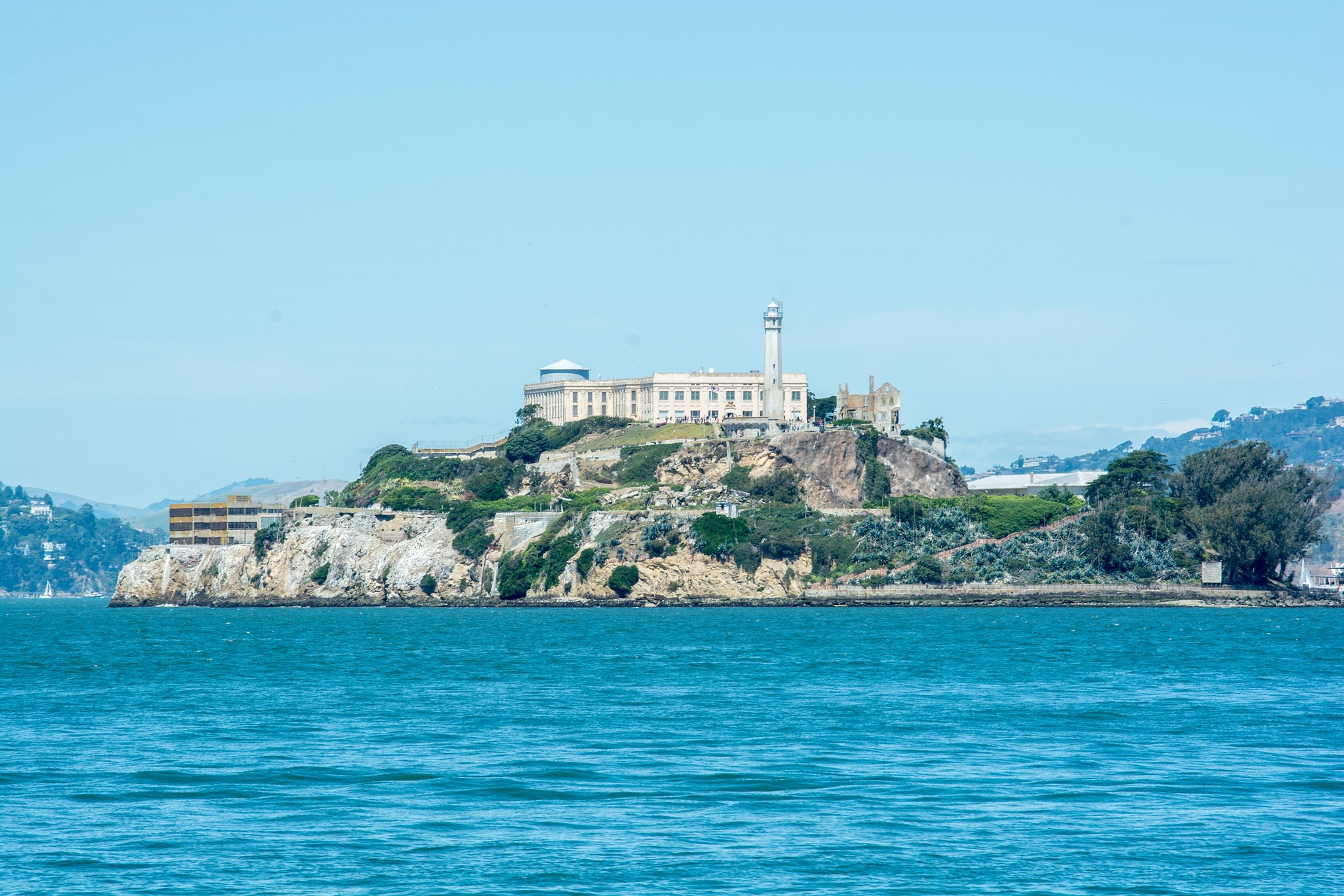
Alcatraz Island, often referred to as “The Rock,” is a small island located in the San Francisco Bay, approximately 1.25 miles offshore from the city of San Francisco, California. The island spans about 22 acres and is characterized by its rugged landscape, rocky outcrops, and historic structures. Geographically, Alcatraz is situated in a strategically significant area, as it overlooks one of the most important shipping lanes on the West Coast. The island’s proximity to the bustling city of San Francisco contributed to its selection for various uses throughout its storied history.
This historic island has played multiple roles since its discovery in the 18th century, transitioning from a natural landmark to a military fortress, and eventually, a notorious federal prison. Alcatraz was initially used for military purposes in the 1850s when the United States Army established a fortress to protect the San Francisco Bay during a time of potential conflict. This early military use laid the groundwork for the island’s later transformation into a high-security penitentiary.
By the early 20th century, Alcatraz Island had evolved into a federal prison, accommodating some of the most dangerous criminals of the time, including the infamous gangster Al Capone and numerous bank robbers. The prison’s maximum-security facilities and isolation made it an ideal location for housing notorious offenders, further cementing the island’s legacy in American history. Alcatraz’ transformation from a military base to a federal penitentiary highlights its adaptability and importance within the broader context of legal and social developments in the United States.
The Early Years: A Military Fortress
Alcatraz Island’s history as a military fortification began in earnest during the mid-19th century, as the United States sought to bolster its defenses in the wake of the 1846 Mexican-American War. Recognizing the strategic significance of the island, which lies in the waters of San Francisco Bay, the U.S. Army commenced construction of a fort that would ultimately be known as Fort Alcatraz. The site was considered vital due to its location, allowing for the control of maritime traffic entering and exiting the bay, a crucial passage for military and commercial shipping.
Construction of the fort commenced in 1853 under the supervision of military engineer Colonel Joseph K. F. Smith. The project employed local labor and utilized the island’s natural resources, effectively blending the fort’s design with the rugged terrain. The initial architecture included a series of artillery emplacements designed to defend against naval assaults. By the time the fort was completed in the late 1850s, it housed a garrison of soldiers tasked with coastal defense.
During the American Civil War, Fort Alcatraz played an essential role in safeguarding the West Coast from potential Confederate attacks. Its strategic position enabled the U.S. government to mount a robust defense against any naval incursions, further establishing its significance in military operations. Following the war, the fort’s purpose gradually evolved. In the post-war period, it transitioned from a primary defensive structure to a military prison, highlighting the island’s changing identity. As a military prison, Alcatraz began to house various types of prisoners, from military offenders to civilian detainees, thus initiating a new chapter in its storied history.
The transformation of Alcatraz Island from a military fortress to a prison reflects broader historical trends, including shifting military needs and the ever-evolving criteria for confinement. Its legacy as a powerful symbol of restriction and control continues to captivate public interest, marking it as a significant site in the annals of U.S. history.
Alcatraz as a Federal Penitentiary
Alcatraz Island, often referred to as “The Rock,” served as a federal penitentiary from 1934 to 1963, marking a significant era in the history of American incarceration. During this period, the prison became infamous for housing some of the most notorious criminals in U.S. history. Among its notable inmates were the likes of Al Capone, the infamous mobster, and George “Machine Gun” Kelly, who were symbolic of the violent crime wave that characterized the early 20th century. The prison’s reputation for its stringent security measures attracted attention, making it a formidable facility that housed individuals deemed too dangerous for other institutions.
The architecture of Alcatraz contributed significantly to its menacing aura. Situated on a rocky island in the frigid waters of San Francisco Bay, its massive concrete walls and isolation made escape nearly impossible. The prison was designed to not only confine inmates but also to prevent them from communicating with the outside world. Each cell was equipped with minimal furnishings, accompanied by stringent rules governing inmate behavior. The lack of basic comfort and freedom played a crucial role in shaping the psychological conditions that inmates faced daily.
The regime at Alcatraz focused on strict discipline, aimed at reforming inmates through a combination of hard labor and psychological control. Inmates labored in various roles, including maintenance, kitchen duties, and manufacturing. However, the relentless confinement, coupled with the harsh treatment meted out by guards, fostered an environment of despair. Despite the stringent conditions, a small number of inmates successfully attempted to escape, adding to the legends surrounding the prison. Alcatraz’s notoriety as a federal penitentiary left an indelible mark on American culture, as its stories of crime, punishment, and resilience continue to captivate audiences today.
Notorious Inmates and Their Stories
Alcatraz Federal Penitentiary, often recognized as a symbol of the gravest criminal offenses and unyielding confinement, was home to numerous notorious inmates throughout its operational years. Among these infamous figures, Al Capone and Robert Stroud, known as the Birdman of Alcatraz, stand out due to their criminal notoriety and compelling life stories. Capone, a notorious mobster during the Prohibition era, was convicted of tax evasion and sentenced to 11 years in prison, ending up at Alcatraz in 1934. Despite being a figure of fear, involved in organized crime and violence, Capone’s time at Alcatraz was marked by a surprising level of comfort, partially thanks to his connections and the privileges he received from prison guards. His presence at Alcatraz contributed to the prison’s aura of infamy, and even today, his legacy endures as emblematic of the Roaring Twenties’ crime wave.
Conversely, Robert Stroud, who came to be known as the Birdman of Alcatraz, provides a stark contrast to Capone’s narrative. Stroud was incarcerated for murder and became infamous for his compassionate relationship with birds during his time behind bars. Initially, a violent convict, Stroud was transformed by his experiences and began studying avian diseases, ultimately authoring a book on the subject that garnered acclaim. Stroud’s unique interaction with birds captured the attention of both inmates and visitors alike, leading to his enduring legacy as a figure of both brutality and tenderness.
The stories of Al Capone and Robert Stroud highlight the breadth of human experience within Alcatraz’s walls. Their crimes may have brought them notoriety, but their time in the prison reveals complex layers of personality and legacy that continue to resonate with the public. The fascination with these inmates offers insight not only into their lives but also into a critical period of American history marked by crime, punishment, and redemption.
The Escape Attempts: Myth and Reality
Alcatraz Island, famously known as the home of the notorious federal prison, has seen its fair share of escape attempts, most notably the infamous 1962 escape executed by Frank Morris and the Anglin brothers, John and Clarence. This daring event has often been romanticized in popular culture, leading many to perceive it as proof that even the most secure facilities can be breached. However, upon scrutinizing the details, it becomes crucial to distinguish between myth and reality regarding these escape attempts.
The 1962 escape began as a meticulously planned operation, with Morris and the Anglins preparing for months. Utilizing improvised tools, such as makeshift shovels, they managed to tunnel through the walls of their cells and create a raft from raincoats. On the night of June 11, they embarked on their perilous journey into the bay. While this event has captured public imagination, it is important to recognize that the ultimate fate of the escapees remains a mystery. Official reports contend that, despite their ingenuity and dedication, the three men likely drowned in the treacherous waters surrounding the island. The lack of definitive evidence confirming their survival adds a layer of complexity to the narrative.
Additionally, numerous other escape attempts were recorded, resulting in varying degrees of success and failure. Some were thwarted due to faulty planning, while others ended in the capture of the escapees, often with severe consequences. The prison’s stringent security measures, including guard patrols and strong currents, posed insurmountable challenges. Consequently, while some accounts portray these individuals as brave pioneers pushing against the confines of incarceration, the stark reality remains that almost all escape attempts from Alcatraz were ultimately unsuccessful.
Closure of the Prison and Its Aftermath
The closure of Alcatraz Federal Penitentiary in 1963 marked a significant turning point in the history of this iconic island. Initially established as a high-security prison, Alcatraz housed some of the most notorious criminals in the United States. However, several factors contributed to the decision to close the facility. One of the main reasons was the high operational costs associated with maintaining the prison. The aging infrastructure, coupled with the challenging logistics of transporting supplies and personnel to the isolated island, made it increasingly impractical to keep Alcatraz running as a federal correctional institution.
Moreover, by the early 1960s, the federal prison system was evolving. Modernization efforts shifted the focus towards rehabilitation rather than punishment, rendering the harsh conditions of Alcatraz less effective for inmate reform. As public sentiment towards prison reform grew, the need for a more humane and effective correctional system came to the forefront. Thus, the closure of Alcatraz was seen as a necessary step in aligning the federal penal system with contemporary societal values and expectations.
After its closure, Alcatraz Island experienced a dramatic change in perception. From a symbol of confinement and despair, the island began to transition into a point of historical and cultural interest. In 1972, Alcatraz became part of the Golden Gate National Recreation Area, turning it into a destination for tourists and history enthusiasts. Today, visitors flock to the island to learn about its rich history, including its role as a prison, a military fort, and a lighthouse. This transformation from a notorious prison to a national park site highlights how public perceptions can evolve and reinforces the importance of preserving historical locations for future generations.
Alcatraz Island Today: A Historic Landmark
Alcatraz Island, once a formidable federal prison, has evolved into a prominent historic landmark and a captivating tourist attraction. Today, it attracts approximately 1.5 million visitors annually, who are drawn to its rich and storied past. The island serves as a poignant reminder of America’s penal history and the notorious criminals who once resided within its walls. As visitors embark on a tour, they gain insights into the lives of inmates, including infamous figures like Al Capone and Robert Stroud, the “Birdman of Alcatraz.”
The National Park Service plays an integral role in maintaining Alcatraz Island’s legacy. Preservation efforts are paramount, as the island’s historical structures require constant attention and care. The preservation initiatives not only safeguard the physical aspects of Alcatraz but also enhance the interpretations of its history, making it more accessible and understandable to the public. Restoration projects, along with ongoing maintenance, help in portraying the realities of life on the island and the significant events that unfolded there.
Educational programs offered on Alcatraz support the commitment to fostering a deeper understanding of its historical significance. Through informative displays, guided audio tours, and ranger-led discussions, visitors can engage with the island’s narrative in an enlightening manner. Special events, like film screenings and lectures, further enrich the visitor experience, allowing for diverse angles on the complex history surrounding Alcatraz. This blend of historical education and immersive experiences solidifies Alcatraz Island’s position as an enduring historic landmark, offering invaluable lessons from the past.
Cultural Impact and Representation in Media
Alcatraz Island, often referred to simply as Alcatraz, has greatly impacted popular culture, serving as a symbol of infamy and resilience. Its storied past, once home to notorious criminals such as Al Capone and Robert Stroud, has inspired a wealth of creative expression across numerous media formats. The island’s rugged landscape and haunting history provide a compelling backdrop for storytelling, contributing to its mystique and allure.
In the film industry, Alcatraz has been prominently featured in several cinematic works. The classic 1979 film “Escape from Alcatraz,” starring Clint Eastwood, reignited public interest in the island’s fascinating stories of prison life and the pursuit of freedom. This portrayal not only dramatized real escape attempts but also firmly established Alcatraz as a cultural touchstone within cinema. Similarly, contemporary films like “The Rock” (1996) have further solidified the perception of Alcatraz as an impregnable fortress, intertwining action with the island’s storied past in a manner that appeals to modern audiences.
Television shows have also leveraged Alcatraz’s unique characteristics. Series such as “Alcatraz,” which aired in 2012, utilized the island’s lore to craft suspenseful narratives about its infamous inhabitants, blending elements of mystery and science fiction. This representation continues to shape how audiences understand both the island and its broader historical implications. Additionally, documentaries such as “The Most Dangerous Place on Earth” delve into the reality of life on the island, further humanizing the narratives surrounding its historical significance.
Literature, too, reflects Alcatraz’s impact on culture; numerous novels and nonfiction works explore the psychological dimensions of imprisonment and escape. By examining these varied depictions across films, shows, and books, one can appreciate how Alcatraz has become embedded in the national consciousness, fascinating generations with its blend of danger and intrigue, ultimately shaping public perception of American criminal justice and authority.
The Legacy of Alcatraz Island
Alcatraz Island, often referred to as “The Rock,” stands as a significant symbol within American history, representing complex themes of justice, punishment, and redemption. Originally established as a military fortification during the mid-19th century, the island later evolved into one of the most notorious federal prisons in the United States, operating from 1934 to 1963. This transformation from a military stronghold to a maximum-security penitentiary encapsulates the shifting perceptions of justice and rehabilitation in society.
The legacy of Alcatraz is deeply intertwined with notions of punishment and the human condition. Incarcerated within its imposing walls were some of the most infamous criminals of the 20th century, including Al Capone and Robert Stroud, the so-called “Birdman of Alcatraz.” Their stories serve not only as tales of criminality but also as reflections on societal attitudes toward crime and punishment. The prison’s harsh conditions and the notorious isolation of its inmates illustrate the extreme measures taken by the justice system in efforts to maintain order and deter criminality.
Moreover, Alcatraz has evolved into a poignant symbol of redemption. The narratives surrounding former inmates highlight the possibility of transformation and the enduring struggle for rehabilitation. Many ex-convicts have shared their experiences, emphasizing personal growth and change after their time on the island. These stories serve as a reminder of the capacity for change within the criminal justice system, as well as the importance of reintegration and second chances in society.
Today, Alcatraz Island is recognized not just as a historical site but as a crucial part of the narrative surrounding America’s criminal justice system. It stands as a testament to the complexities of justice in the United States, reminding us of the delicate balance between punishment and the potential for redemption.
No responses yet