
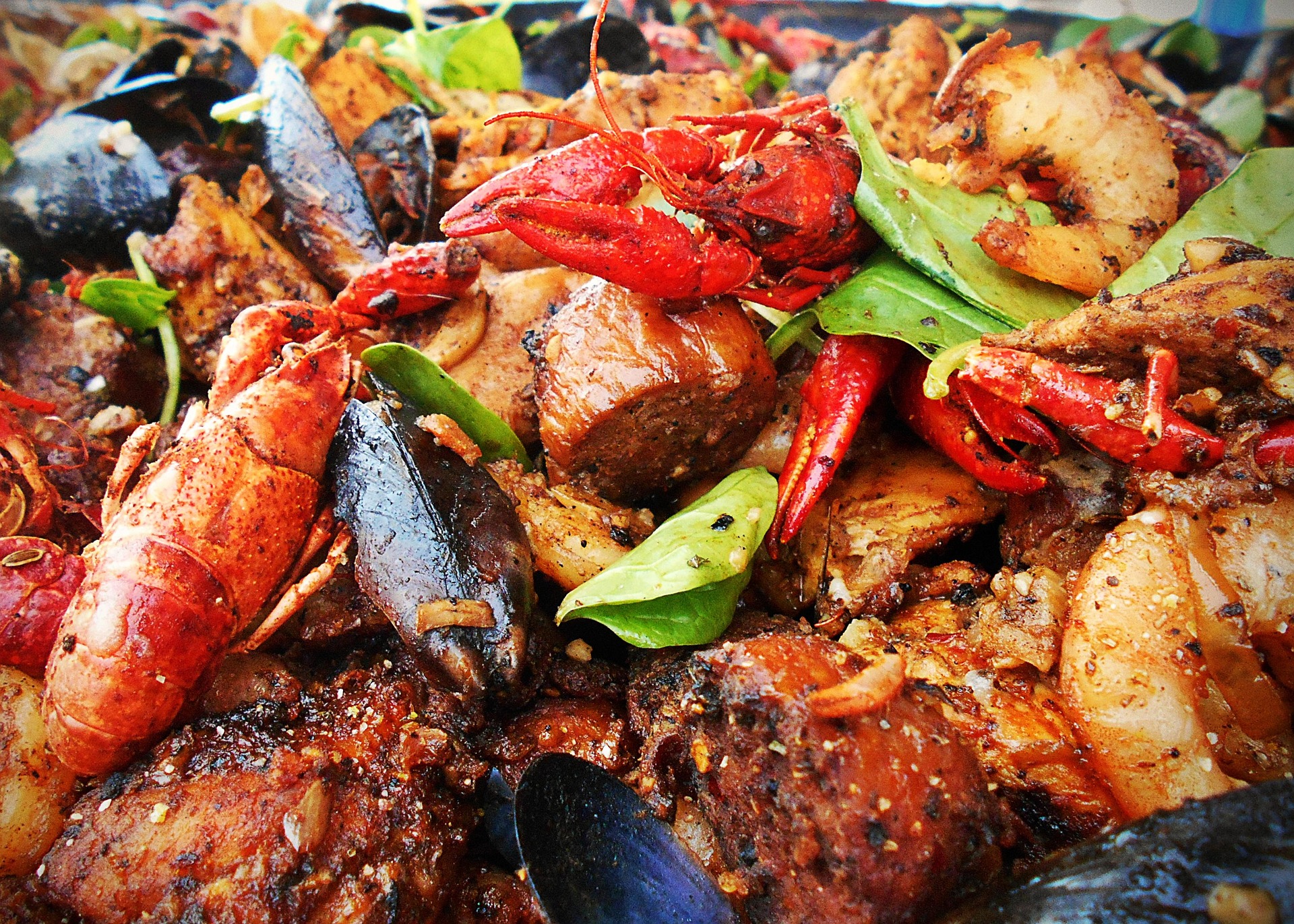
Introduction to New Orleans Cuisine
New Orleans is renowned for its vibrant and diverse culinary landscape, where the rich tapestry of flavors is deeply rooted in the city’s complex history. The cuisine reflects a confluence of cultures, showcasing influences from French, Spanish, African, and Native American traditions. This unique blend is most prominently featured in the city’s signature styles: Cajun and Creole cooking. Each of these culinary styles offers its own distinctive flavors and techniques, yet they share a common heritage that celebrates the cultural diversity of New Orleans.
Cajun cuisine, originating from the Acadian people who settled in Louisiana, is characterized by its use of rustic ingredients and hearty flavors. Dishes often include staples like rice and seafood, along with a variety of spices that pack a punch. Cajun cooking emphasizes the importance of seasoning and often features the “holy trinity” of vegetables—bell peppers, onions, and celery. On the other hand, Creole cuisine merges French sophistication with local ingredients, resulting in dishes that are often elaborate and refined. Creole recipes might incorporate influences from Caribbean cooking, leading to a delightful mix of spices and flavors that elevate traditional meals to gourmet experiences.
The culinary offerings in New Orleans are not just about food; they encapsulate the spirit and traditions of the city. Dining in New Orleans is a social affair, where sharing a meal often accompanies storytelling and celebration. From casual eateries to upscale restaurants, the city’s dining experiences invite visitors to indulge in a rich array of flavors while immersing themselves in the local culture. As one explores the bustling streets of New Orleans, the intoxicating aromas wafting from the kitchens serve as a testament to the city’s enduring passion for food. This culinary journey promises not only to satisfy the palate but also to provide a deeper understanding of the cultural dynamics that shape these beloved dishes.
Understanding Cajun Cuisine
Cajun cuisine, with its rich and vibrant history, originates from the French-speaking Acadian exiles who settled in Louisiana during the 18th century. These early settlers brought with them culinary traditions that evolved over time, blending with influences from Native Americans, Spanish settlers, and other immigrant groups. This confluence of cultures has resulted in a distinctive style of cooking that is deeply rooted in the fertile lands of southern Louisiana, where the availability of local ingredients plays a crucial role.
At the heart of Cajun cuisine are a few key ingredients that define its flavor profile. Foundational staples include rice, which serves as a base for many dishes, and an array of meats such as chicken, pork, and seafood, reflecting the bountiful waters of the Gulf of Mexico. Vegetables like okra, bell peppers, and onions are commonly used, often combined with distinctive spices like cayenne pepper and black pepper. These elements come together to create hearty and flavorful dishes that are both satisfying and evocative of Louisiana’s cultural heritage.
Cooking techniques also set Cajun cuisine apart. The method of “cajunization,” which involves seasoning and slow-cooking meats to amplify their flavors, is prominent in dishes like gumbo and jambalaya. The famous roux, a mixture of flour and fat, is used as a thickening agent and contributes to the deep, rich flavors characterizing Cajun cooking. Moreover, outdoor cooking methods such as boil and smoke are frequently employed, adding a unique depth to the dishes that further distinguish Cajun food from other styles of New Orleans cuisine.
Cajun food represents more than just a culinary experience; it embodies a way of life and communal tradition. Meals are often enjoyed in the company of family and friends, celebrating the region’s sense of community that enhances the overall dining experience. Unlike Creole cuisine, which also flourishes in New Orleans, the focus of Cajun cuisine lies in its rustic, bold flavors, making it a captivating subject for food lovers exploring the city.
Top Cajun Restaurants to Try
New Orleans, renowned for its rich culinary heritage, is an exciting destination for those eager to experience authentic Cajun cuisine. Here are some of the top Cajun restaurants that you should not miss during your visit.
The first on the list is Coop’s Place, a local favorite known for its vibrant atmosphere and delicious offerings. Situated in a lively neighborhood, Coop’s serves a signature dish called “Jambalaya,” a flavorful mix of rice, seafood, chicken, and Andouille sausage. The rustic decor, filled with local artwork, complements the hearty meal, making it a perfect spot for both tourists and locals alike.
Another must-try is Herbsaint, where the menu showcases modern interpretations of classic Cajun recipes. Their unique approach brings forward dishes like “Duck and Andouille Gumbo,” which is rich with spices and served with a side of cornbread. The intimate ambiance and superb service enhance the dining experience, further elevating the enjoyment of their culinary masterpieces.
Don’t forget to visit Bayona, a gem situated in the French Quarter. Known for its lush courtyard and elegant interior, Bayona features distinctive Cajun dishes such as “Rabbit & Dumplings,” which beautifully balances flavors and textures. The chef’s commitment to using local ingredients shines through in every bite, showcasing the essence of Louisiana’s culinary landscape.
Lastly, explore Commander’s Palace, a legendary establishment that brings together history and fine dining. This restaurant is famous for its “Cajun Gumbo,” which has been delighting guests for generations. The upscale brunch offers a unique twist on classic dishes, ensuring a memorable experience. Furthermore, the renowned staff is dedicated to providing exceptional hospitality, embodying the true spirit of New Orleans.
These restaurants encapsulate the heart of Cajun culture, making them essential stops on your culinary journey through New Orleans. Each venue offers a unique ambiance and signature dishes that will leave you craving more. So, venture out and savor the authentic flavors nestled within the vibrant streets of this remarkable city.
The Iconic Beignet: A Sweet Tradition
With its light, airy texture and irresistible sweetness, the beignet has become one of the most iconic culinary symbols of New Orleans. This delightful pastry, often referred to as a “French doughnut,” can be traced back to the 18th century when French colonists settled in Louisiana. While its origins lie in France, where pastries like the cruller were commonplace, the beignet evolved into a beloved local treat, infused with the unique cultural landscape of New Orleans.
The preparation of beignets is relatively simple, typically consisting of a yeast dough that is deep-fried until golden brown and generously dusted with powdered sugar. However, it is this airy quality and the contrast of the sweet coating that make them a truly indulgent experience. In New Orleans, beignets are often enjoyed alongside café au lait, a traditional coffee beverage made with brewed coffee and steamed milk, enhancing the culinary experience. The combination of the rich, flavorful coffee with the sweetness of the pastry creates a blissful treat that is enjoyed by both locals and visitors alike.
The significance of beignets extends beyond just their taste. They are a cultural staple, frequently found in various settings, from quaint street carts to renowned establishments like Café du Monde. The allure of beignets attracts both tourists and locals, fostering community and celebration. Festivals and events, particularly during Mardi Gras, often feature this beloved pastry, further highlighting its role in the social fabric of New Orleans life. As a symbol of hospitality and tradition, the beignet continues to be a sweet focal point in the culinary journey through this vibrant city.
Where to Find the Best Beignets
Beignets, the iconic French doughnuts dusted with powdered sugar, hold a special place in the culinary landscape of New Orleans. If you’re on a quest to enjoy the best beignets the city has to offer, several locations stand out for their remarkable flavors and unique atmospheres.
One of the most renowned spots is Café du Monde, an institution that has been serving beignets since 1862. Nestled in the French Market, it offers a vibrant outdoor seating area that allows patrons to soak in the lively ambiance of New Orleans. Visiting early in the morning or late in the evening can help you avoid the crowds, although the allure of this historic café often draws long lines at any time of day.
Another noteworthy contender is Café Beignet, which has multiple locations throughout the city. Known for its charming courtyard seating, it provides a quieter alternative to Café du Monde. Here, you can indulge in classic beignets while enjoying live jazz music, enhancing your experience of New Orleans’ rich cultural backdrop. The relaxed atmosphere allows for a more leisurely visit, making it an excellent spot for both tourists and locals alike.
For those seeking a modern twist on the traditional beignet, District Donuts Sliders Brew is a must-visit. This café creatively infuses various flavors into its beignets, offering options like the Green Tea and Matcha beignet. It presents a fun and contemporary dining experience, perfect for adventurous food lovers. However, since it is popular among younger crowds, consider visiting during off-peak hours for a more pleasant dining experience.
In summary, whether you opt for the classic offerings at Café du Monde or the innovative choices at District Donuts, New Orleans presents a delightful array of beignet experiences. Each of these locations reflects the city’s rich culinary heritage while inviting visitors to savor a special part of its culture.
Cajun vs. Creole: A Culinary Comparison
New Orleans is renowned for its diverse culinary landscape, with Cajun and Creole cuisines as two prominent pillars that define the city’s food culture. While these two styles share Southern roots and a rich culinary heritage, they exhibit distinct characteristics that appeal to different palates. Understanding the nuances between Cajun and Creole is essential for anyone looking to fully appreciate the culinary offerings New Orleans has on display.
Cajun cuisine originates from the French-speaking Acadian people who settled in Louisiana after being expelled from Canada in the 18th century. It emphasizes rustic, hearty flavors, often utilizing simple and locally available ingredients. Common features of Cajun dishes include the use of spices like cayenne pepper, the incorporation of game meats such as duck or venison, and the hearty preparation of one-pot meals like gumbo or jambalaya. The cooking methods are generally straightforward, focusing on deep flavors developed through techniques such as smoking, grilling, or stewing.
On the other hand, Creole cuisine reflects the cultural melting pot of New Orleans, showcasing influences from French, Spanish, African, and Caribbean cuisines. This style is often described as more urban and sophisticated compared to its Cajun counterpart. Creole dishes tend to incorporate a wider array of ingredients, including tomatoes, cream, and shellfish. Dishes like shrimp étouffée and seafood gumbo highlight the blending of flavors and ingredients, often served with elaborate sauces that exhibit the culinary finesse of Creole cooking.
Despite their differences, Cajun and Creole cuisines complement each other beautifully. Many New Orleans restaurants proudly serve dishes that showcase both styles, allowing diners to experience the essence of the city’s culinary duality. As one explores this vibrant food scene, it becomes apparent that both Cajun and Creole cuisines offer a rich tapestry of flavors that captures the historical and cultural richness of New Orleans.
Popular Dishes to Try: Cajun and Beyond
New Orleans is renowned for its vibrant culinary scene, which artfully blends Cajun, Creole, and other diverse flavors. While beignets often steal the spotlight, there is a plethora of popular dishes that are essential to explore for a complete gastronomic experience. One must-try dish is gumbo, a rich stew that typically combines a roux, meat or seafood, and an array of vegetables. Gumbo often serves as a reflection of the cook’s heritage, allowing for personal variations that can include chicken, andouille sausage, or even more exotic offerings like alligator.
Another iconic dish is jambalaya, a one-pot rice dish that integrates seasoned meat and vegetables, drawing inspiration from Spanish paella. Variations are abundant, from the traditional Creole style featuring tomatoes and shrimp to Cajun versions that emphasize a more smoky flavor profile. Embracing the local culinary ethos, many restaurants offer both styles, allowing diners to appreciate the distinctions.
For those craving something unique, crawfish étouffée represents a true New Orleans hallmark. This dish, featuring crawfish simmered in a flavorful sauce and served over rice, embodies the region’s love for seafood and spices. The incorporation of the traditional Holy Trinity—onions, bell peppers, and celery—adds depth and flavor to this beloved offering.
Fried oysters are also a notable mention. Often served as an appetizer, these delicacies may be accompanied by a variety of sauces, providing an enjoyable contrast to each bite. Finally, don’t overlook the traditional po’boy sandwiches, which feature ingredients ranging from fried shrimp to roast beef, served on crispy French bread. These sandwiches epitomize the local craft of combining flavorful fillings with hearty bread, showcasing the emblematic New Orleans spirit in each serving.
Navigating Dietary Restrictions in New Orleans Cuisine
New Orleans cuisine is renowned for its vibrant flavors and rich history, but for individuals with dietary restrictions, enjoying this culinary scene can present unique challenges. Fortunately, with a bit of planning and knowledge, it is possible to savor the diverse offerings of the city while accommodating specific dietary needs. Whether one is vegetarian, vegan, or gluten intolerant, several strategies can be employed to enjoy New Orleans’ culinary delights.
Vegetarians can find a variety of options throughout the city. Traditional dishes such as the famous gumbo can often be adapted by requesting a vegetable-based version. Many restaurants pride themselves on using fresh, local produce, allowing for flavorful adaptations of classic recipes. Furthermore, establishments like Gumbo Ya-Ya are known for their extensive vegetarian menus, making it easier for plant-based diners to indulge in the local fare.
For vegans, it is essential to verify that no animal products are included in the meals. Several restaurants, such as Seed, specialize in vegan cuisine, creatively incorporating traditional ingredients in a plant-based context. Additionally, diners can look for options at farm-to-table restaurants where the focus is on fresh vegetables, herbs, and local ingredients, providing a window into the local food scene without compromising dietary choices.
Those with gluten intolerances can also find plenty of options in New Orleans. Many restaurants offer gluten-free versions of traditional dishes or can modify meals upon request. When exploring the famed beignets, for example, some cafes may be willing to accommodate gluten-free requests. It is always advisable to communicate dietary restrictions clearly to the staff to ensure a safe dining experience.
By actively seeking out establishments that prioritize dietary inclusivity, individuals can enjoy a rich culinary experience while maintaining their dietary preferences. The combination of New Orleans’ hospitality and growing awareness of dietary needs allows for a delightful exploration of its iconic dishes.
Conclusion: The Unforgettable Flavors of New Orleans
The culinary landscape of New Orleans is a rich tapestry woven with diverse influences, showcasing an array of flavors that reflect its vibrant culture and history. From the robust spiciness of Cajun cuisine to the irresistibly sweet allure of beignets, the city offers a gastronomic adventure that is both tantalizing and memorable. Those who venture into the heart of New Orleans can expect to experience an exceptional blend of heritage and innovation in every dish they try.
Embarking on a culinary journey through New Orleans means savoring iconic dishes like gumbo, jambalaya, and po’boys—each with its own unique twist and beloved local variations. These flavors are not merely meals; they represent the spirit of the community, as recipes have been passed down through generations. As a hub of food culture, New Orleans invites visitors to relish the stories behind their meals, adding depth to the experience and enhancing the understanding of its culinary traditions.
Alongside the savory delights, the city’s famous beignets serve as a sweet reminder of New Orleans’ culinary charm. These fluffy, powdered confections are more than just a treat; they symbolize the joyous moments shared between friends and family over a cup of chicory coffee. Visitors are encouraged to take part in this cultural ritual, enjoying the delightful contrast of flavors that New Orleans embodies.
Ultimately, the flavors of New Orleans present a unique opportunity for exploration and discovery. Travelers are urged to embrace the diversity found within its food culture, documenting their experiences and sharing their culinary adventures with others. Each meal offers a chance to connect with the city’s vibrant heritage, promising an unforgettable experience that will stay with them long after they leave.
No responses yet