
Introduction to Arches National Park
Arches National Park, situated in southeastern Utah, is a remarkable testament to the grandeur of nature’s artistry. Covering an expanse of over 76,000 acres, the park is renowned for its extensive collection of natural stone arches, with more than 2,000 documented formations that create breathtaking landmarks against the backdrop of the high desert landscape. The park’s geological significance is paramount, as it showcases unique features formed over millions of years through a combination of erosion and weathering processes, resulting in remarkable structures that captivate visitors.
The history of Arches National Park is as intriguing as its natural wonders. Established as a national monument in 1929 and later designated a national park in 1971, this area has long been appreciated for its geological richness and stunning vistas. The park is not only a sanctuary for geological enthusiasts but also serves as a crucial habitat for diverse flora and fauna. These ecosystems range from desert shrublands to riparian zones and support a variety of life, including numerous bird species, mammals, and reptiles. This diversity underscores the ecological significance of the park, illustrating how different ecosystems coexist and contribute to the overall health of the region.
As millions of visitors flock to Arches National Park each year, they are drawn not only by the desire to witness the iconic Delicate Arch or Landscape Arch but also to immerse themselves in the overall natural beauty and tranquility that the park provides. Hiking trails, scenic viewpoints, and organized programs offered by park rangers allow guests to explore the area while deepening their understanding of both its geological and ecological treasures. The majesty of Arches National Park serves as a reminder of nature’s incredible power and artistry, making it an essential destination for adventure seekers and nature lovers alike.
Planning Your Visit
Visiting Arches National Park can be a memorable experience, but proper planning is essential to ensure an enjoyable trip. The park is open year-round, yet the best time to visit is typically during spring (March to May) and fall (September to October). During these months, visitors can enjoy mild temperatures, making for optimal hiking conditions. The summer months can see extreme heat, often exceeding 100°F, while winter experiences cooler temperatures, with occasional snowfall. Therefore, awareness of seasonal weather patterns is crucial for any visitor.
Entrance fees to Arches National Park are relatively modest, with a single vehicle pass costing $30, allowing access for up to seven days. Alternatively, individuals may opt for an annual pass, which can be cost-effective for frequent visitors. It is advisable to check the National Park Service website for the latest information on fees and any discounts available, such as for seniors or active military members.
When visiting, it is essential to adhere to park regulations to preserve the natural beauty of the area and ensure the safety of all guests. For instance, staying on marked trails helps protect vegetation and minimizes erosion. Additionally, visitors should be cautious about wildlife and maintain a safe distance. Facilities within the park include restrooms and picnic areas, but there are no dining options, so visitors should plan to bring their own food and water.
As for the climate and terrain, it is vital to be prepared for varying conditions. Hydration is vital due to the arid climate, so carrying sufficient water is recommended. Sturdy footwear is also advised for navigating rocky pathways. By taking these precautions and planning appropriately, visitors can enjoy the stunning landscapes and unique rock formations that make Arches National Park a true natural wonder.
Getting to Arches National Park
Reaching Arches National Park is a straightforward endeavor, aided by a range of transportation options, ensuring visitors can easily access this magnificent natural wonder. The park is situated just a few miles north of Moab, Utah—a town frequently used as a base for park visitors and one that offers ample accommodations and facilities.
For those traveling by air, the nearest major airport is Canyonlands Field Airport (CNY), which is approximately 18 miles away from Moab. This airport offers limited commercial flights but provides a convenient landing spot for those flying into the area. Additionally, Grand Junction Regional Airport (GJT), roughly 113 miles from Moab, serves as another alternative with more airline options. From these airports, car rentals or shuttle services are available, allowing accessibility to Arches National Park and the surrounding regions.
Once in Moab, visitors can utilize a personal vehicle to traverse the scenic byways leading to the park. For those who prefer not to drive, several local shuttle services operate routes to Arches, providing an eco-friendly option while also allowing passengers to sit back and admire the landscape. Moab Adventure Center and various tour companies offer organized transportation that often combines guided experiences with park visits.
Upon arriving at Arches National Park, navigating the park’s internal road system is essential for accessing the stunning viewpoints and hiking trails. The main road through the park is approximately 18 miles long, leading visitors directly to the iconic rock formations. For ideal accommodation, Moab offers diverse lodging options, from budget-friendly motels to luxurious hotels, ensuring that every visitor can find suitable lodging that fits their needs. Planning ahead and securing reservations, particularly during peak season, can significantly enhance the overall visit experience.
Must-See Attractions: The Iconic Arches
Arches National Park, located in southeastern Utah, is celebrated for its stunning natural rock formations and breathtaking landscapes. Among its most famous features, two iconic arches stand out: Delicate Arch and Landscape Arch. These formations not only showcase the park’s geological wonders but also offer unique insights into the history and natural processes that created them.
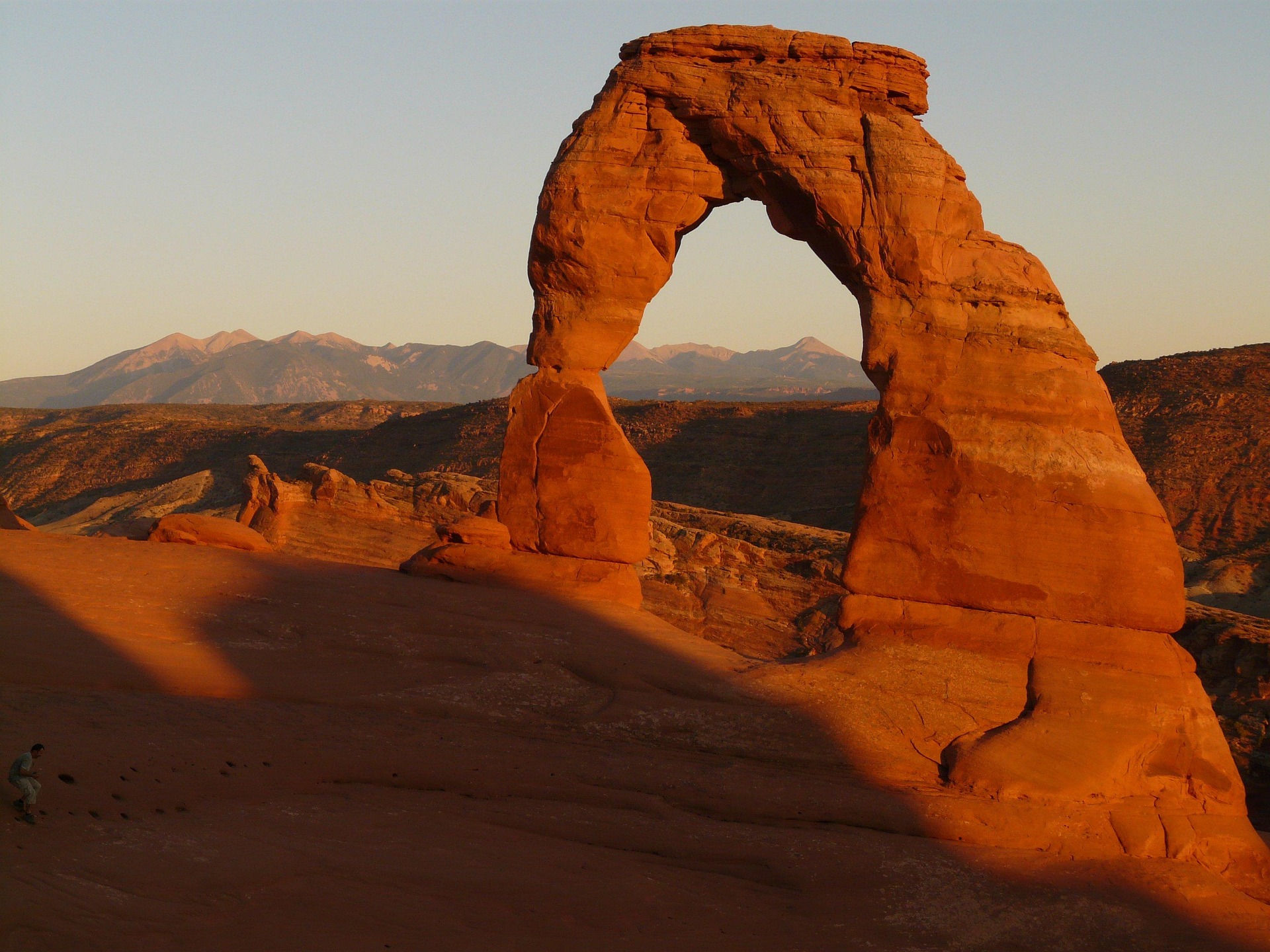
Delicate Arch is perhaps the most recognizable symbol of Arches National Park. Standing at 46 feet tall and 32 feet wide, this freestanding arch has become an emblem of the American southwest. The arch’s unique shape is a result of years of erosion caused by wind and water, which gradually wore away the rock. Its striking silhouette is especially stunning at sunset, when the warm glow of the setting sun illuminates the red sandstone, providing visitors with an unforgettable sight. The arch is accessible via a moderately challenging 3-mile round-trip hike, which takes approximately 2-3 hours to complete. Along the way, hikers can enjoy panoramic views of the surrounding landscape, further enhancing the experience.
Another remarkable attraction within the park is Landscape Arch, one of the longest natural rock arches in the world, measuring 306 feet in length. Located in the Devils Garden area of the park, this arch is more delicate than its counterpart and has undergone considerable change over time. In 1991, several large rock masses fell from the arch, reminding visitors of the dynamic nature of the environment. The trail leading to Landscape Arch is relatively easy, making it accessible to a wider range of visitors. As guests stroll along this scenic path, they will also encounter several other impressive formations, making it a perfect introduction to the natural beauty of the park.
Visiting these iconic arches offers a remarkable opportunity to understand the natural history of this unique region. As visitors stand beneath the enormous structures, they can appreciate not only their visual beauty but also the geological processes that shaped them, enriching their overall experience in Arches National Park.
Hiking Trails and Scenic Drives
The exploration of Arches National Park offers an array of hiking trails and scenic drives that showcase the stunning geological formations and awe-inspiring landscapes that define this area. Among the most renowned hikes is the Delicate Arch Trail, a 3-mile round trip that leads adventurers to one of the park’s most iconic landmarks—the Delicate Arch. This moderate hike involves a steady climb and some rocky sections, rewarding hikers with breathtaking views of the arch against the backdrop of the La Sal Mountains. Visitors are encouraged to start early in the morning or late in the afternoon to avoid the heat and capture the arch bathed in the warm glow of sunrise or sunset.
Another popular route is the Devil’s Garden Loop, which spans approximately 7.2 miles and provides access to several other remarkable arches, including Landscape Arch and Navajo Arch. This trail varies in difficulty, accommodating both novice and experienced hikers. The area features diverse terrain, showcasing beautifully sculpted rock formations and the unique flora of the high desert. Hikers on this trail should be prepared for varying conditions, particularly if they choose to explore some of the shorter spur trails along the way.
In addition to hiking, scenic drives through the park offer captivating vistas for those who prefer to experience the beauty of Arches from the comfort of their vehicles. The main road through the park leads visitors to various observation points, such as Park Avenue and La Sal Mountains Viewpoint, where one can admire the dramatic scenery without needing to embark on lengthy hikes. The combination of hiking trails and scenic drives ensures that all visitors, regardless of their physical ability, have the opportunity to experience the majestic beauty of Arches National Park fully.
Wildlife and Flora: The Park’s Natural Diversity
Arches National Park is renowned not only for its stunning rock formations but also for its remarkable biodiversity. The park serves as a habitat for a wide array of wildlife, including various species of birds, mammals, reptiles, and amphibians, each adapted to thrive in the unique desert environment. Among the notable inhabitants, the desert bighorn sheep stands out. These agile mammals are well-suited to the rugged terrain of the park, using their impressive climbing skills to navigate the steep cliffs and rocky outcrops.
In addition to the desert bighorn sheep, Arches is home to a variety of bird species. Birdwatchers might encounter the enchanting California condor soaring overhead or the agile peregrine falcon, known for its incredible speed. Other notable avian residents include the blue jay and the canyon wren, each contributing to the park’s vibrant ecosystem. The richness of bird life in Arches National Park highlights the ecological importance of preserving their habitats and the overall natural landscape.
The park’s vegetation is equally diverse, with numerous plant species thriving in this arid environment. The iconic juniper trees and piñon pines create a picturesque backdrop against the red rock formations. In addition to these, wildflowers such as desert five-spot and prickly pear cactus bloom during the warmer months, adding splashes of color to the landscape. These plants not only support wildlife by providing food and shelter but also play a critical role in preventing soil erosion.
Conservation efforts are essential to ensure the protection of these ecosystems. Various initiatives aim to safeguard the unique flora and fauna of Arches National Park from threats such as climate change and invasive species. By preserving the natural environment, we ensure that future generations can appreciate the park’s breathtaking wildlife and plant diversity.
Safety Tips for Visiting
When planning a trip to Arches National Park, ensuring your safety should be a priority. There are several essential safety tips that visitors should consider to have an enjoyable and secure experience. First and foremost, hydration is crucial. The desert environment can be unforgiving; temperatures often soar during the day, leading to increased perspiration and potential dehydration. It is advisable to carry an ample supply of water—at least one gallon per person per day—to combat the dry climate and maintain hydration throughout your exploration.
Additionally, sun protection is essential while spending time in the park. Applying sunscreen with a high SPF, wearing a wide-brimmed hat, and utilizing sunglasses can help guard against harmful UV rays. Moreover, visitors should seek shade whenever possible, particularly during the midday hours when the sun is strongest. Exposure to harsh sunlight can not only cause sunburn but also lead to heat-related illnesses.
Wildlife encounters are another aspect of visiting Arches that warrants caution. While many animals in the park are typically not aggressive, it is vital to maintain a safe distance and never feed them. Park regulations explicitly advise against close interactions, as this can disrupt their natural behavior and pose risks to both visitors and wildlife alike. Familiarizing yourself with local fauna and being aware of your surroundings can greatly enhance your safety.
Navigating the park often involves challenging terrains, including steep trails and rocky paths. Wearing appropriate footwear—such as sturdy hiking boots—can prevent slips and falls. Additionally, it is recommended to stick to established trails to minimize hazards and preserve the delicate ecosystem. Following park regulations, including checking for trail conditions and adhering to signage, is paramount in ensuring a safe and responsible visit. Collectively, these precautions will enrich your experience in Arches National Park while safeguarding your well-being.
Camping and Accommodations
Exploring Arches National Park offers a unique opportunity to immerse oneself in nature’s wonders, and choosing the right accommodations is a key component of that experience. Within the park, designated campgrounds such as Devils Garden Campground provide a primitive yet fulfilling option for those who wish to sleep under the stars. This campground features 51 individual sites, each offering a close-up view of the stunning rock formations that characterize this majestic landscape. Reservations for this campground are highly recommended, especially during peak seasons when demand increases significantly.
For travelers preferring more traditional lodging, several hotels and motels are located in the nearby town of Moab, just a short drive from the park’s entrance. Options range from budget-friendly motels to boutique hotels, accommodating diverse needs and preferences. For example, visitors seeking a more upscale experience might consider the Sorrel River Ranch Resort & Spa, which offers a blend of luxury and breathtaking natural surroundings.
Those desiring an immersive experience in nature might also explore the possibility of staying in a yurt or a cabin. Various local companies provide unique lodging experiences that include amenities while still putting travelers closer to the incredible natural scenery. Regardless of the chosen accommodation, it is crucial to plan ahead. Booking in advance is advisable, particularly for weekends and holidays when the park sees a surge in visitors.
Additionally, foreseeing what to expect in terms of facilities is beneficial. Most campgrounds within Arches provide basic amenities, including restrooms and picnic areas. However, visitors should prepare for limited services and a lack of cell reception in remote camping spots. Whether one opts for camping or a nearby hotel, both options provide an unforgettable way to experience the stunning vistas of Arches National Park.
Conclusion: Embracing the Beauty of Arches
Visiting Arches National Park offers a profound experience that intertwines the splendor of nature with personal reflection. The iconic arches, sculpted over millennia by the forces of nature, serve as a reminder of the planet’s geological wonders. Each formation holds a story, inviting visitors to connect with the rich history embedded within this unique landscape. As one explores the park, the feeling of awe and tranquility becomes palpable, encouraging a deep appreciation for the natural world.
Amidst the vibrant sunsets that paint the sky and the diverse ecosystems that flourish within its boundaries, Arches National Park stands as a testament to the beauty that nature provides. The simplicity of a hike or a moment of stillness can transform one’s perspective, fostering a greater understanding of the importance of preserving such environments. Nature lovers and adventurers alike can find solace in the serene surroundings, making it essential to advocate for responsible exploration.
As you embark on your journey through Arches, consider how you can contribute to the preservation of this magnificent park. Share your experiences, engage with fellow nature enthusiasts, and participate in the stewardship of the land. Respecting the natural environment ensures that future generations can revel in the same breathtaking views and sense of wonder that many have cherished over the years. By embracing the beauty of Arches and promoting its conservation, we not only enrich our lives but also safeguard this extraordinary piece of the Earth for those who come after us. Let your adventure in Arches inspire both your spirit and your commitment to nature’s preservation.
No responses yet