
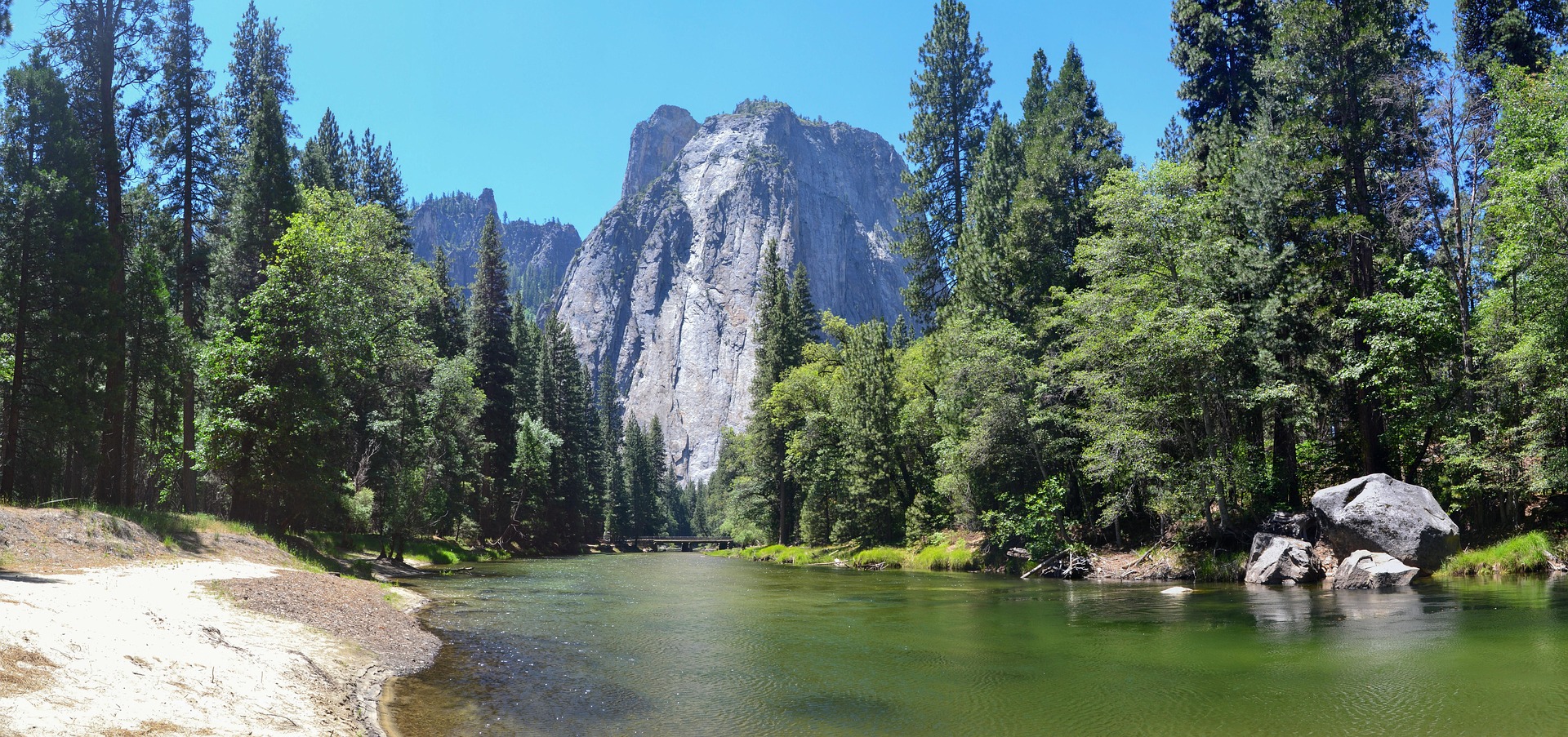
Introduction to Yosemite National Park
Yosemite National Park, located in the western Sierra Nevada mountains of California, is renowned for its stunning natural beauty and rich geological history. Established as a national park in 1890, Yosemite has since become one of the most celebrated landscapes in the United States. It spans over 1,187 square miles and features a diverse array of ecosystems, including deep valleys, grand meadows, ancient giant sequoias, and high country wilderness, making it an essential destination for nature enthusiasts and adventure seekers alike.
The park is perhaps best known for its iconic landmarks, which have drawn millions of visitors from around the globe. Yosemite Falls, one of the tallest waterfalls in North America, cascades an impressive 2,425 feet, providing breathtaking views that captivate hikers and photographers. El Capitan, a sheer granite monolith, challenges climbers with its vertical cliffs, while Half Dome, with its distinct shape, offers breathtaking vistas for those who brave the hike to its summit. Each of these natural wonders embodies the awe-inspiring beauty that Yosemite National Park is famous for.
Beyond its striking landscapes, Yosemite holds significant historical and cultural importance. It was one of the first areas to be protected by federal legislation, which paved the way for the establishment of the national park system. The park’s indigenous history, particularly that of the Ahwaneechee people, is also a vital part of its narrative, highlighting the connection between the natural environment and its early inhabitants. This intricate history, combined with its unparalleled scenery, reinforces why Yosemite National Park remains a must-visit destination. It offers an opportunity to appreciate nature’s magnificence and understand the crucial efforts in conservation that have preserved this gem for future generations.
Choosing the Best Time to Visit
Determining the optimal time to visit Yosemite National Park can significantly enhance your experience, as the park offers a diverse range of activities and breathtaking scenery that varies with the seasons. Each time of year presents unique opportunities, influenced by changing weather conditions and varied crowd levels.
Spring, typically from March to May, is celebrated for its stunning wildflower blooms and cascading waterfalls. As the snow begins to melt, the park transforms into a vibrant landscape, making it an excellent season for photography enthusiasts. Additionally, visitor numbers are generally lower in the early spring months, allowing for a more serene experience amidst nature. Hiking trails begin to open up around this time, with trails like Mist Trail offering picturesque views of waterfalls in full flow.
Summer, spanning June to August, is peak season in Yosemite, characterized by warm temperatures and generally clear skies. This is an ideal time for those interested in hiking, camping, and participation in ranger-led programs. Popular trails like Half Dome and Yosemite Falls become bustling with hikers, so it is advisable to plan and reserve accommodations well in advance. While summer offers better accessibility to all areas of the park, visitors should be prepared for higher crowds.
As the leaves begin to turn in September and October, fall reveals its own charm with magnificent foliage throughout the park. This season attracts visitors who appreciate the cooler weather and stunning vistas, making it a prime time for photography and hiking. The trails are less crowded compared to summer, allowing visitors to enjoy the tranquility of the park’s rugged beauty.
Winter, from November to February, ushers in a different set of activities, especially for those interested in snow sports. Locations in the park, such as Badger Pass Ski Area, provide opportunities for skiing and snowboarding. While some areas may be less accessible, the serene beauty of a snow-covered landscape creates a magical atmosphere that attracts winter enthusiasts. During this time, the park is significantly less crowded, offering solitude and peace amidst stunning winter scenery.
Ultimately, selecting the best time to visit Yosemite National Park will depend on your personal preferences regarding climate, activities, and crowd levels. Each season offers unique experiences, ensuring that regardless of when you visit, the beauty and majesty of the park will leave a lasting impression.
How to Get to Yosemite National Park
Reaching Yosemite National Park offers a variety of transportation options, catering to the needs of different travelers. The most common method is by car, as it allows flexibility and the opportunity to enjoy scenic views along the way. Major highways leading to the park are Highways 120, 140, and 41, with each route providing its unique attractions. Those coming from San Francisco will typically take Highway 120, while visitors from Los Angeles might opt for Highway 41 for direct access to the park’s south entrance.
If you choose to travel via public transport, options are available but limited. The YARTS (Yosemite Area Regional Transportation System) connects various gateways to the park. For instance, you can take a bus from nearby cities such as Merced or Fresno, which links to the park’s internal shuttle system. While public transportation does not provide the same level of convenience as driving, it is a viable option for those looking to minimize their carbon footprint.
Travelers flying to Yosemite can arrive at one of several nearby airports. The closest major airport is Fresno Yosemite International Airport, situated about 65 miles from the park. Other options include Merced Regional Airport and Mammoth Yosemite Airport, which might be more suitable depending on your travel itinerary. Upon arrival, renting a car is highly recommended as it enables easier access to different park entrances, including the Arch Rock, Hetch Hetchy, and South Entrance.
It is essential to consider seasonal road closures, particularly during winter months when heavy snowfall can restrict access to certain park areas. Always check the latest conditions on the official Yosemite National Park website before your trip to ensure a smooth journey to this stunning natural wonder.
Accommodations: Where to Stay
When planning a trip to Yosemite National Park, selecting the right accommodation is crucial to enhance your experience and comfort. The park offers a variety of options, ranging from campgrounds to lodges and hotels, catering to different preferences and budgets. Each accommodation type has its unique pros and cons, which should be carefully considered to ensure an enjoyable stay.
Campsites within Yosemite National Park provide an immersive nature experience, allowing visitors to sleep under the stars surrounded by breathtaking landscapes. There are 13 campgrounds located in the park, with some operating on a first-come, first-served basis while others require advanced reservations. The primary advantage of camping is the proximity to outdoor activities, such as hiking and rock climbing. However, amenities can be limited, and it is essential to plan ahead as campsites fill quickly during peak seasons.
For those seeking more comfort, Yosemite’s lodges offer a blend of nature and modern convenience. The historic Ahwahnee Hotel is renowned for its luxurious accommodations, while other options like Yosemite Valley Lodge provide stunning views of iconic landmarks, such as Yosemite Falls. Lodges typically feature various amenities, including restaurants and guided tours. The downside, however, is that prices can be considerably higher than campgrounds, making early reservations essential, especially during peak visitor months.
Additionally, hotels situated near the park can be excellent alternatives, offering more extensive facilities than in-park lodging. Options in nearby towns, such as Mariposa and El Portal, provide a range of accommodations, from budget motels to upscale establishments. These accommodations may provide a different atmosphere but are often less crowded, allowing for a more relaxed experience. Regardless of the chosen lodging type, planning your reservations well in advance is crucial to securing a desirable stay during your Yosemite adventure.
Packing Essentials for Your Trip
When preparing for your adventure to Yosemite National Park, having the right packing essentials is crucial for an enjoyable experience. The park’s diverse terrain and fluctuating weather patterns necessitate thoughtful consideration of your gear and clothing. First and foremost, layers are key. The temperature can vary significantly throughout the day, so packing lightweight, moisture-wicking base layers, insulated mid-layers, and a durable waterproof shell jacket will ensure you are prepared for changing conditions. Sturdy hiking boots are also essential, providing the necessary support and traction for the park’s rugged trails.
In addition to appropriate clothing, including hats and gloves for chillier days, do not overlook the importance of adequate hiking gear. A high-quality daypack is indispensable for carrying essentials such as water, snacks, a first-aid kit, and navigation tools. Hydration is vital, so consider a durable water bottle or hydration reservoir to stay refreshed during hikes. Depending on your planned activities, trekking poles can offer significant support and stability on uneven terrain.
Food is another critical element of your packing strategy. Packing non-perishable snacks like energy bars, nuts, and dried fruit sustains you during your excursions. If you plan to prepare meals, opt for lightweight cooking gear and pre-packaged meals to minimize waste and enhance convenience. Additionally, packing safety equipment such as a map, compass, and emergency whistle is advisable. While cellular service may be spotty, having a reliable navigational method ensures you remain oriented within the park.
In conclusion, being well-prepared with the appropriate packing essentials for your trip will enhance your experience at Yosemite National Park. By thoughtfully considering clothing, hiking gear, food, and safety equipment, you will be ready to fully embrace the unique adventures that await in this stunning natural environment.
Must-See Attractions and Activities
Yosemite National Park, a UNESCO World Heritage Site, is replete with breathtaking landscapes and a myriad of activities that cater to diverse interests. One of the most iconic attractions is Yosemite Valley, which features stunning views of granite cliffs, waterfalls, and meadows. Here, visitors can marvel at renowned landmarks such as El Capitan and Half Dome. For those seeking a sense of adventure, the valley also provides access to numerous hiking trails that vary in difficulty, allowing hikers to explore the park’s natural beauty at their own pace.
Among the must-do hikes, the Mist Trail stands out, leading trekkers past the enchanting Vernal and Nevada Falls. This challenging route rewards hikers with awe-inspiring vistas and the refreshing sounds of cascading water. Another highly recommended trail is the Mirror Lake Trail, which offers an easier hike and the opportunity to capture stunning reflections of the towering cliffs during the spring and early summer months. Visitors keen on birdwatching will appreciate the diverse avian life found in the park, particularly around the wetlands and forested areas.
In addition to hiking, Yosemite boasts several scenic viewpoints that are perfect for photographers and nature enthusiasts. Tunnel View provides a panoramic vista of the valley, while Glacier Point offers an unparalleled view of Half Dome and the High Sierra. Those interested in the park’s ecology and geology can engage in ranger-led programs that provide deeper insights into its unique environments and rich historical background.
Ultimately, Yosemite National Park offers an extensive array of must-see attractions and activities that cater to every visitor’s interests. From challenging hikes and scenic viewpoints to educational programs, there is something for everyone to experience. Planning ahead and prioritizing these highlights can ensure a memorable and enriching visit to this remarkable national park.
Safety Tips and Park Regulations
Visiting Yosemite National Park offers an opportunity to experience breathtaking natural beauty, but it also requires visitors to prioritize safety and adhere to park regulations. Before embarking on any outdoor activities in the park, it is important to familiarize oneself with wildlife safety protocols. Yosemite is home to various animals, including bears, deer, and mountain lions. To minimize the risk of wildlife encounters, it is crucial to store food properly in bear-proof containers and avoid feeding animals. Visitors should remain calm and back away slowly if they encounter wildlife, ensuring that they do not provoke these animals.
Hiking is one of the most popular activities in Yosemite, and while it can be immensely rewarding, it comes with its own set of safety considerations. When hiking, it is advisable to stay on established trails to protect the fragile ecosystem. Always carry ample water, wear appropriate footwear, and dress in layers to accommodate changing weather conditions. Additionally, be mindful of your physical limits, and never hike alone if possible. It is worth noting that some trails may be more challenging than they appear, so undertaking thorough research beforehand can be beneficial. The park offers detailed guide maps that can assist in planning your hiking routes.
Understanding park regulations is essential for fostering respect for the natural environment and ensuring a safe experience. Visitors should no longer litter and must adhere to the Leave No Trace principles, which advocate for minimizing human impact on park resources. Fires are only permitted in designated areas, and swimming may be restricted in certain locations due to safety concerns. Compliance with these regulations is paramount for preserving the park’s stunning landscapes for future generations. By following safety tips and park rules, visitors can appreciate the majesty of Yosemite while contributing to its conservation.
Finding Guided Tours and Activities
When planning a trip to Yosemite National Park, one of the most enriching ways to explore its vast landscapes and unique features is through guided tours and ranger-led programs. These opportunities provide visitors with a deeper understanding of the park’s natural history, geology, and ecology, making them particularly beneficial for those unfamiliar with the area.
There are various guided tours available, ranging from hiking excursions to photography workshops, which cater to different interests and skill levels. For instance, participating in a ranger-led hike not only allows you to enjoy the stunning scenery but also gives you access to the expertise of park rangers, who share insights about the flora, fauna, and geological wonders that define Yosemite. This educational aspect enriches the overall experience and fosters a greater appreciation for the park’s environment.
In addition to ranger-led activities, you will find numerous private tour operators offering specialized experiences. These can include rock climbing lessons, birdwatching tours, and even stargazing events. Such guided activities typically include all necessary equipment and materials, ensuring that first-time visitors can focus on the enjoyment of exploring Yosemite without the stress of planning logistics. Furthermore, by joining a group or participating in guided tours, travelers can connect with fellow outdoor enthusiasts, enhancing the social aspects of their visit.
For first-time visitors, choosing guided experiences can significantly ease the process of navigating the park’s vast landscapes. With the intricate trail systems and various points of interest, guided tours serve as a valuable resource, allowing you to maximize your time while ensuring that you don’t miss any must-see locations. Overall, finding guided tours and activities in Yosemite National Park can lead to a more informative and enjoyable experience, leaving you with lasting memories of this natural wonder.
Conclusion: Preparing for an Unforgettable Adventure
In order to fully appreciate the remarkable beauty and diverse ecosystems of Yosemite National Park, it is paramount to approach your visit with meticulous preparation. Understanding the park’s geography, climate, and trails ensures that every adventurer can navigate its vastness safely and enjoyably. Appropriate planning allows for a smoother experience, from lodging arrangements to seasonal considerations, thereby enhancing your overall adventure.
The moment you set foot in Yosemite, you will be greeted by awe-inspiring vistas and opportunities for various recreational activities, such as hiking, rock climbing, and photography. However, it is crucial to equip yourself with necessary information regarding park permits, entrance fees, and safety regulations. Visit the National Park Service website for the latest updates and guidelines; staying informed can significantly enhance your visit.
Moreover, consider your travel companions’ interests and needs when planning your itinerary. Whether you are traveling with family, friends, or embarking on a solo journey, tailoring your activities will lead to a more satisfying experience. Proactively seeking out family-friendly hikes, photographic spots, or challenging trails can make all the difference in creating lasting memories.
In conclusion, the key to an unforgettable adventure in Yosemite lies in thorough preparation and a genuine eagerness to explore its wonders. From the majestic granite cliffs of El Capitan to the cathedral-like allure of the Giant Sequoias, Yosemite awaits with a promise of enchantment and adventure. So take the first step: gather your resources, plan your itinerary, and prepare to immerse yourself in one of nature’s finest masterpieces.
No responses yet