
Welcome to New Orleans: An Introduction
New Orleans, a vibrant city located in southeastern Louisiana, is known for its rich cultural heritage, unique history, and lively atmosphere. Nestled along the banks of the Mississippi River, this dynamic metropolis serves as a critical port and a hub for trade and commerce. It is here that various cultural influences converge, resulting in a distinctive blend of music, art, culinary traditions, and architecture that sets it apart from other cities in the United States.
The city was founded in 1718 by the French Mississippi Company and was named after the Duke of Orleans. New Orleans has played a significant role in American history, particularly through events such as the Louisiana Purchase in 1803, which marked the transition of the city from French to American control. This transition allowed for a melding of cultural practices, which enriched the local atmosphere and contributed to New Orleans becoming a focal point for African, Spanish, French, and Caribbean influences.
A hallmark of the city’s identity is its music scene, widely regarded as the birthplace of jazz. The sounds that resonate through its streets—from the lively horns of a brass band to the soulful strains of a jazz ensemble—reflect the city’s vibrant cultural tapestry. Additionally, the legendary cuisine of New Orleans, characterized by dishes such as gumbo, jambalaya, and beignets, showcases the diverse culinary traditions that have developed over centuries.
As a major travel destination, New Orleans invites visitors to experience its renowned festivals, including Mardi Gras and Jazz Fest, which showcase the city’s artistic talents and communal spirit. With its eclectic neighborhoods and warm hospitality, New Orleans promises a unique experience fueled by energy and charm, making it an irresistible location for travelers seeking to immerse themselves in a city unlike any other.
Exploring the Rich Culture of New Orleans
New Orleans is a vibrant tapestry of cultural influences that converge to create a unique urban identity. The city’s rich culture has been molded by its historical interactions with various ethnic groups, including African, Spanish, French, and Creole communities. This diversity is evident in every aspect of New Orleans life, from its music and cuisine to its architecture and festivals.
One cannot discuss the culture of New Orleans without acknowledging the profound impact of African heritage. The rhythms of African music and the traditions of African storytelling have found their way into the very fabric of the city. This influence is particularly visible in the world-renowned genre of jazz music, which emerged from the melting pot of cultures in the early 20th century. This art form is celebrated annually at the New Orleans Jazz & Heritage Festival, where musicians from all backgrounds gather to honor and promote jazz, as well as other musical traditions rooted in the city.
The Spanish and French colonial periods also played a significant role in shaping New Orleans. French architecture can be seen in the charming streets of the French Quarter, with its wrought-iron balconies and narrow cobblestone streets. Spain’s influence is equally notable, particularly in local customs and culinary traditions, where Creole and Cajun cuisines blend European and African flavors into dishes that are iconic to the area, such as gumbo and jambalaya.
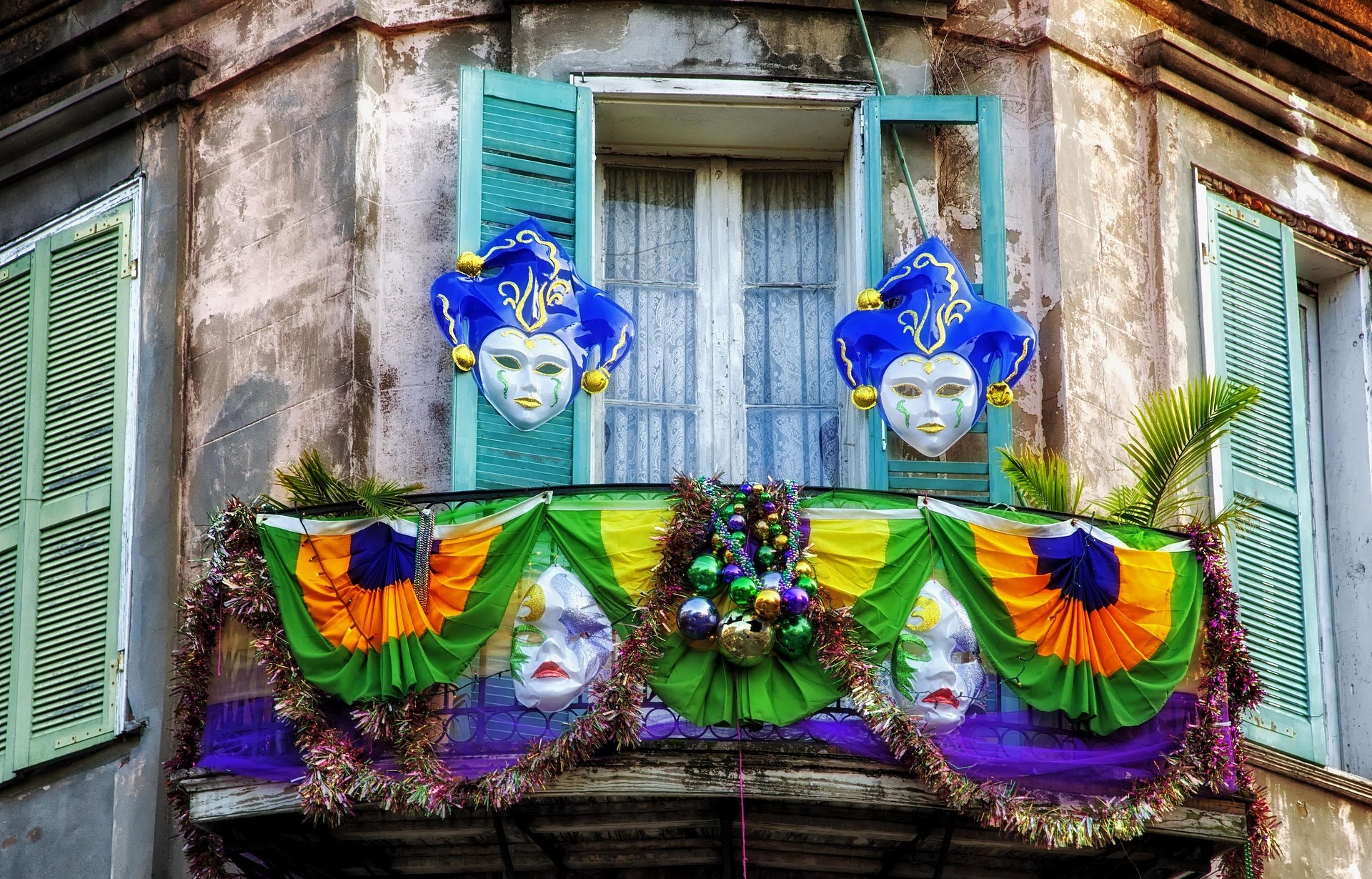
Significant cultural events, such as Mardi Gras, showcase the communal pride that permeates the city. This festival is marked by elaborate parades, masquerade balls, and vibrant celebrations that highlight the artistic spirit of New Orleans. The city’s culture is alive and thrumming, enriched by a shared history that continues to evolve and attract visitors worldwide. The dynamic confluence of traditions ensures that the cultural landscape of New Orleans is as enthralling as the city itself.
The Heart of Music: Jazz and Beyond
New Orleans stands as a vibrant testament to the rich tapestry of music that defines the city. At the heart of this musical heritage lies jazz, an art form born from the convergence of African, European, and Caribbean influences during the late 19th and early 20th centuries. The city is recognized as the birthplace of jazz, with its lively streets echoing the rhythms that have captivated audiences for generations. Key figures such as Louis Armstrong, Jelly Roll Morton, and Sidney Bechet played pivotal roles in shaping jazz, each contributing unique elements that combined to create distinct sounds revered worldwide.
Today, visitors can experience jazz in its most authentic form at renowned venues like the Preservation Hall and the Spotted Cat Music Club, where traditional jazz resonates through passionate performances. The French Quarter, with its bustling nightlife, is dotted with bars and clubs that feature live jazz, making it an essential stop for anyone seeking to immerse themselves in the city’s musical spirit. It is not just jazz that enriches the local soundscape; the evolving music scene encompasses genres such as blues, funk, and increasingly popular contemporary styles, showcasing a dynamic range of local talents.
Festivals like the New Orleans Jazz & Heritage Festival further underline the city’s commitment to music, celebrating both its historical roots and contemporary innovations. This annual event draws artists from around the globe, creating a platform that highlights the diverse influences in New Orleans music, from rhythm and blues to brass bands. As the city continues to thrive as a music hub, it invites both locals and tourists to engage with the ever-changing sounds of New Orleans, ensuring that jazz remains at the core while embracing its musical evolution.
Culinary Delights: Classic New Orleans Cuisine
New Orleans boasts a rich culinary heritage that reflects its multicultural roots, with influences from French, Spanish, African, and Creole cuisines. Among the iconic dishes that define New Orleans cuisine, gumbo, jambalaya, po’boys, and beignets stand out, each offering a unique taste of the city’s history and culture.
Gumbo is perhaps the most famous dish, characterized by its rich, flavorful broth and a combination of ingredients such as seafood, meats, and a variety of vegetables. This dish originated from the West African term for okra, a key ingredient that thickens the stew. Visitors to New Orleans can savor authentic gumbo at places like Café Reconcile or Dooky Chase’s Restaurant, both known for their tradition and respect for this classic recipe.
Jambalaya, another celebrated dish, is a one-pot meal that combines rice, vegetables, and proteins, typically chicken, sausage, or shrimp. Its origins can be traced to Spanish paella, but over the years, jambalaya evolved to incorporate local flavors and ingredients. The dish is enjoyed throughout the city, with great options for tasting it at The Praline Connection or Coop’s Place. Each establishment offers its twist, making it a delightful experience for food lovers.
Po’boys are a quintessential New Orleans sandwich, usually filled with fried seafood or meats. This dish gained popularity among the working-class populace, serving as a hearty meal that could be enjoyed on the go. The Parkway Bakery & Tavern is a notable spot to indulge in a classic po’boy, celebrated for its fresh ingredients and generous portions.
Finally, no visit to New Orleans is complete without indulging in beignets, deep-fried pastries generously dusted with powdered sugar. Traditionally consumed with cafe au lait, these treats can be best experienced at Café du Monde, an iconic establishment that has been serving locals and visitors alike since 1862.
Street Food and Hidden Gems
New Orleans, a city renowned for its rich cultural heritage and tantalizing cuisine, offers a vibrant street food scene that reflects its diverse influences. To fully appreciate the culinary landscape, visitors should venture beyond the well-trodden restaurants to discover the hidden gems and food trucks that serve up authentic flavors. One of the best ways to experience the city’s diverse palate is by exploring local markets, where vendors showcase the freshest ingredients and unique creations.
Food trucks are becoming increasingly popular in New Orleans, creating a dynamic street food atmosphere. From po’boys to gumbo, food trucks offer a variety of culinary delights that capture the essence of the city. A standout is the “Crawfish Cake” truck, where patrons can savor crispy crawfish cakes paired with zesty remoulade. This option stands out due to its combination of traditional flavors and innovative twists.
Another excellent way to delve into New Orleans’ food culture is by visiting local markets, such as the Crescent City Farmers Market. Here, patrons will find an array of local produce, artisanal cheeses, and freshly baked goods. Not only do these markets provide ingredients for home cooks, but they also showcase local vendors who prepare ready-to-eat meals. Indulging in a jambalaya from a market stall or sampling handcrafted sweets offers an authentic taste of the region.
Additionally, one must not overlook the charm of neighborhood dives that serve unique dishes not commonly found in touristy areas. One such location is the gumbo shop located off the main strip, known for its hearty recipes passed down through generations. Such establishments maintain a sense of community while providing classic New Orleans dishes that resonate with locals and visitors alike.
Exploring the street food and hidden gems of New Orleans adds a layer of authenticity to any food adventure in the city. The combination of world-class flavors in casual settings enriches the experience, making the culinary journey unforgettable.
Taste the Spirits: New Orleans’ Beverage Culture
New Orleans boasts a rich and vibrant beverage culture that reflects the city’s deep-rooted history and diverse influences. A notable element of this culture is its famous cocktails, with the Sazerac recognized as one of the earliest known mixed drinks in the United States. This classic cocktail, which combines rye whiskey, sugar, bitters, and a hint of absinthe, offers a distinctive taste that embodies the spirit of the Crescent City.
Another iconic drink is the Ramos Gin Fizz, created in the late 19th century. This refreshing cocktail combines gin, cream, egg whites, sugar, and soda water, resulting in a frothy and effervescent experience. This beverage is a testament to the city’s penchant for innovative mixology, combining flavors and techniques that reflect the melting pot of cultures present in New Orleans.
Local breweries are also pivotal in shaping the beverage landscape, with establishments like NOLA Brewing and Crescent City Brewhouse creating a range of craft beers that appeal to a spectrum of tastes. These breweries often integrate local ingredients, resulting in unique and flavorful beers that embody the essence of the city. Similarly, New Orleans’ wineries and distilleries provide an authentic taste of the region, offering local wines and spirits that capture its distinctive character.
For those seeking a deeper exploration of the city’s beverage offerings, various bars and tasting experiences abound. The historic French Quarter is home to many renowned establishments that showcase the art of cocktail-making through expert bartenders and mixologists. Visitors can partake in tasting tours that highlight the innovative techniques and unique ingredients that define New Orleans’ beverage culture. Engaging with these local experiences is an essential part of understanding the city’s vibrant character as expressed through its drinks.
Visiting Iconic Neighborhoods: A Cultural Journey
New Orleans, a city rich in history and cultural diversity, offers visitors an array of neighborhoods, each with its unique character and charm. The most iconic of these is undoubtedly the French Quarter, famed for its vibrant energy, historic architecture, and lively atmosphere. The neighborhood serves as the heart of New Orleans’ cultural scene, boasting attractions such as Jackson Square and St. Louis Cathedral. Visitors can stroll along the cobblestone streets, admiring the wrought-iron balconies and colorful facades. Local dining options abound, with establishments like Café du Monde offering a taste of the famous beignets, a must-try for any traveler.
Not far from the French Quarter lies the Garden District, known for its picturesque streets lined with historic mansions and sprawling gardens. This neighborhood showcases antebellum architecture and reflects the opulence of 19th-century New Orleans. Visitors will find Lafayette Cemetery No. 1, a quintessential symbol of the city’s unique above-ground burial practices, and nearby, local boutiques offer curated selections of art and crafts. A leisurely walking tour of the Garden District allows travelers to immerse themselves in the city’s architectural splendor while enjoying a moment of serenity away from the bustle of more tourist-heavy areas.
Furthermore, Treme, one of the oldest African American neighborhoods in the United States, presents a rich tapestry of culture and tradition. Renowned as the birthplace of jazz, this area celebrates its musical heritage through numerous festivals and live performances. The neighborhood’s cultural significance is characterized by landmarks such as the Treme Corner Restaurant, where authentic Creole dishes can be savored amidst a backdrop of lively music. Each of these neighborhoods contributes uniquely to the cultural landscape of New Orleans, ensuring visitors have an enriching experience that reflects the city’s vibrant spirit.
Festivals and Events: Celebrating Life in New Orleans
New Orleans is renowned for its vibrant culture, and festivals play a pivotal role in celebrating the city’s unique heritage. Throughout the year, numerous events take place, showcasing the diverse traditions, music, and arts that have come to define this iconic destination. One of the most famous celebrations is Mardi Gras, which draws millions of visitors each year who come to partake in the lively parades, elaborate costumes, and street parties. This festival, rooted in the city’s French Catholic heritage, typically culminates on Fat Tuesday, the day before Ash Wednesday, signifying the start of Lent. Local organizations (known as krewes) meticulously plan and execute the parades, complete with floats and beads, creating a truly unforgettable atmosphere.
Another significant event is the New Orleans Jazz & Heritage Festival, held annually in the spring, which pays tribute to the city’s rich musical legacy. This festival not only highlights jazz music but also encompasses a variety of musical genres, reflecting the cultural diversity of New Orleans. Attendees can enjoy performances from world-renowned artists, local musicians, and even participate in workshops. Beyond music, the festival features local cuisine and crafts, allowing visitors to immerse themselves fully in the flavors and creativity that characterize the region.
In addition to these major festivals, various smaller events occur throughout the year, including the Essence Festival, which celebrates African American culture, and the Voodoo Music + Arts Experience, which showcases alternative music. Each of these festivals presents a unique opportunity for visitors to engage with the local community and experience the city’s lively spirit. To make the most of each event, guests are encouraged to plan ahead, consider transport options, and understand the festival schedules to fully appreciate the plethora of activities available. Engaging with the local customs and traditions during these festivals is essential for an authentic New Orleans experience.
Practical Travel Tips for Visiting New Orleans
New Orleans, known for its vibrant culture and unique cuisine, attracts millions of visitors each year. To ensure a smooth and enjoyable experience, it is important to consider some practical travel tips before your visit.
The best time to visit New Orleans is during the spring (March to May) or fall (September to November). During these months, the weather is mild, making it perfect for outdoor activities and exploration. Additionally, events such as Mardi Gras and the Jazz & Heritage Festival are held during these peak seasons, showcasing the city’s rich traditions and musical heritage. However, if you prefer a quieter experience, consider visiting during the summer months when accommodations may be more affordable, albeit with higher humidity and heat.
Transportation within the city is vital to optimizing your trip. The New Orleans streetcar system is not only an efficient means of transportation but also an enjoyable way to see the city’s historic districts. Besides streetcars, rideshare services like Uber and Lyft are readily available. Walking is another great option, particularly in the French Quarter, where many attractions are close together. Additionally, be mindful of your surroundings, especially at night, to ensure a safe experience in bustling areas.
Cultural etiquette is crucial when engaging with locals. It’s customary to greet people with a friendly “hello” or “howdy,” and showing appreciation for the local cuisine and arts can foster goodwill. When dining, remember to try traditional dishes such as gumbo and jambalaya while respecting local customs related to food service and tipping. Furthermore, be respectful of the various cultural landmarks and events that make New Orleans truly unique.
By following these practical travel tips, visitors to New Orleans can better navigate the city’s vibrant atmosphere, enjoy its incredible cuisine, and immerse themselves in its rich cultural offerings.
No responses yet